
Home » crime and punishment
Category Archives: crime and punishment

Chocolate & Grace: Succeed in the face of adversity
Back in 2017, in The Clink restaurant in HMP Brixton, I had lunch with Chris Moore, the then Chief Executive of The Clink Charity, and a lady from Scotland. We listened carefully as she shared her vision of helping women caught up in the justice system, with chocolate. Her vision was realised later that year, but we lost touch.

Last week, eight years later at Lady Val Corbett’s Professional Women’s networking lunch, I met Louise Humpington, CEO of Positive Changes, a CIC trading as Chocolate and Grace. The very same initiative that I had heard about all those years earlier. Louise became involved in July 2024.
This is the story of Chocolate & Grace, kindly written by Louise:

In a bustling kitchen in Stirling where the aroma of melting cocoa lingers, something more profound than chocolate is being crafted. Chocolate & Grace is not simply about indulgence; it is about empowerment, dignity, and rewriting futures.
At its heart, this initiative provides women who have lived experience of the justice system, with a safe, supportive space to heal, connect, and grow. Women describe the empowerment they feel when they are truly valued, treated with respect, and given the agency to rebuild their lives. Here, they are not defined by past mistakes but celebrated for their resilience, strength, and capacity for transformation.
Isolation is one of the silent challenges faced by many women leaving the justice system. Chocolate & Grace breaks that cycle by fostering community, reducing loneliness, and encouraging meaningful relationships. In doing so, it helps rebuild lives and, crucially, reduces reoffending—creating a positive ripple effect across society. The impact is not only personal but economic: lives rebuilt mean less strain on the public purse and a healthier, more connected community.

Every chocolate made is infused with purpose. Behind each truffle or bar is a story of hope, courage, and determination. Alongside training and employment opportunities, the program offers trauma-informed support and a platform for women’s voices to be heard, acknowledged, and amplified. The women are credited not as passive recipients of help, but as active changemakers who demonstrate extraordinary commitment to transformation.
Chocolate & Grace is proof that with compassion, respect, and opportunity, cycles can be broken. It is a movement that blends social impact with sweet creativity—reminding us that true empowerment is not given but cultivated, one act of grace, one piece of chocolate, one woman at a time.
But this approach isn’t just important for the women being supported by Chocolate & Grace, it also represents a critical redefining of what leadership and success look like.
This change matters not only because it corrects decades of narrow norms, but because it unlocks better outcomes for organisations, teams, and society. One in four people in the UK will have had been subjected to Adverse Childhood Experiences or some other trauma. Better recognising how marginalised groups and disenfranchised people can contribute because of their lived experience and not in spite of it, is not, therefore a nice to have, it’s a fundamental shift that society needs.
When we value difference, leadership becomes more human. It shows the value of connection, trust, and authenticity as strengths, not liabilities.
It shifts the metrics by creating a space where success isn’t defined solely by outcomes like profit, efficiency or hierarchy. Wellbeing, purpose, sustainability, inclusion are finding a space and making leadership more holistic and resilient in turbulent times.
When the rules are reworked, it opens up space for diverse voices that have been traditionally marginalised or excluded. It empowers people, amplifies their voices and revers the value of their perspective.

There is no question that challenges remain, but as we continue to push boundaries and challenges status quo, momentum builds. Systemic obstacles (bias, unequal expectations, lack of access) still create barriers. But as more women lead by new norms, those norms themselves become harder to ignore or dismiss. We are changing the normative landscape in leading by example, and in amplifying the voices of those who have the most to teach us about what it is really like to succeed in the face of adversity.
The chocolates are delicious, if you would like to support this inspiring organisation have a look at their shop and treat yourself (and others) https://www.chocolateandgrace.co.uk/collections

Dichotomy of Lived v Learned Experience
I first stepped foot in a prison in 2010; I was invited to be a community witness for a victim awareness course at HMP/YOI Hollesley Bay, around 40 minutes’ drive from my home. The environment was unfamiliar and so were the attendees. At that time, I was approaching my final year at University studying for BSc (Hons) Criminology, as a mature student, and I needed to figure out what my next steps should be. Each presentation I prepared as part of my coursework steered towards the justice system, prisons in particular. The first being a 10 minute talk on the Corston Report, by Baroness Jean Corston, published in the light of 6 women dying within a year in Styal prison.
I still remember the feedback I received as it was rather disheartening “Who is interested in women in prison?”
It soon became clear to me that very few were interested in prisons at all, both fellow students and lecturers.
Undeterred I carried on, highlighting where possible the appalling issues within the prison estate.

So, 15 years on, I have had the privilege to visit every category of prison up and down the country including the Women’s estate. I have delivered training in prisons, monitored a Cat D prison and became the Chair of an Independent Monitoring Board (IMB), attended numerous prison art exhibitions, toured prisons on the invitation of Governors, watched graduation celebrations for those that have completed courses in a Cat B, listened to guest speakers in prison libraries, judged a debating competition in a Cat C, written and edited policy documents and have published countless blogs that have been read and shared in over 150 countries. I have tirelessly spoken out for reform, and my work has been mentioned in the House of Lords.
I have seen the desperation, and I have felt the fear in prison, yet I have never resided in a prison.
“Well, what do you know?”
This question often ringing in my ears, as though I have just popped in from another planet.
“You don’t have lived experience”
A statement that is levelled against me far too many times to remember along with being White, A woman and Middle class…etc.
“Why is your writing so negative, instead of writing about problems, come up with solutions?”
It’s true, I don’t have a certain kind of “lived experience”, I’ve never stood in court accused of a crime and pleaded guilty or not guilty. I’ve never attended court awaiting my fate when the sentence is being read out.
I have sat and watched trials in the Supreme Court, the High Court and the courts in my local area. I have attended inquests and have given evidence, but most importantly I have been there for others, in court, supporting and comforting.
We all have lived experiences in some form. Personal lived experience of the justice system gives valuable insight, but does it make you an expert?
Surely, we can all work together to bring about much needed reform in our all too often failing system.
I believe there is a place for all who share a desire, a passion and determination to transform our criminal justice system into a fairer and more just structure. To give those that are or have been in prison the tools to rebuild or even build their lives for the first time. To give hope and a future.
Should lived experience and learned experience go hand in hand?
Do you think both are credible experts to whom we should be listening?
However, recently we have read about an individual with lived experience that became a valuable member of a prominent reform organisation, given responsibilities and then defrauded their employer.
This wasn’t a small amount, it was over £300,000. The organisation – Prison Reform Trust (PRT). They had appointed an individual with a previous fraud conviction for a senior role involving financial responsibility. Little by little right under the nose of the board of trustees, with the then Chairman who is now the Minister of State for Prisons, Probation and Reducing Reoffending. The current CEO, the former Head of Women’s prison estate was quick to say: “We would like to assure our supporters that no programmes or services were affected by this incident, and the charity remains committed to its mission to create a just, humane and effective prison system”.
Basically the money wasn’t missed?
That quote came from this statement on 19 May 2025 which has now been removed from the PRT website, so I have included a screenshot of it.

So where were the safeguards?
This case reminded me of 2021 when I received the Prison Reform Trust (PRT) booklet to commemorate their 40 years, after having attended their celebration in London. A short time afterwards I read the former CEO of The Howard League, Frances Crooks (farewell) piece.
PRT and The Howard League are two organisations that work for reform, two organisations that basically admitted they had failed in what they set out to do.
So why is so much money ploughed into them through donations, grants, membership, and legacies?
Both have an annual salary bill of over £1M, astonishing isn’t it. Yes, they have initiated some important campaigns, but our prisons are still in crisis and reform is taking too long.
So, what is going wrong?
Does the Ministry of Justice (MoJ) squeeze organisations and charities by limiting their progress and their ability to instigate change? Many rely on either their approval or their funding.
As you can deduce, I’m not here to popularise organisations, or to popularise individuals.
I am fiercely independent and intend to stay that way.
But I have many questions.
Was the system designed to be ineffective or designed to perpetuate harm?
Should prison be a place for healing as I have heard others say, or a place for true reform of itself or individuals?
Do we try and change something that does not want to change, does not want reforming, where politicians gaze briefly at and when those in a position to do something, don’t?
It is a place where inspectors inspect and issue recommendations, a place where monitors monitor and issue recommendations.
Endless reports and endless reviews.
Endless round table meetings.
New committees formed.
Let’s just step away for a moment.
I hear big voices, big egos and big personalities shout out, but no one can hear anything anymore.
Has society closed their ears to the noise?
Has society closed their eyes to the mess?
I will say again “Our prisons are in crisis and reform is taking too long”
Vision is often personal, but a cause is bigger than any one individual
People don’t generally die for a vision, but they will die for a cause
Vision is something you possess, a cause possess you
Vision doesn’t eliminate the options; a cause leaves you without any options
A good vision may out live you, but a cause is eternal
Vision will generate excitement, but a cause generates power
[Adapted from Houston (2001)]
You can have lived or learned experience, but what is your cause?
If the cause is yourself, this is not true reform, it is perpetuating the system with a sense of power.
If you have a cause and integrity you are seen as an interrupter.
But the greatest power is humility either lived or learned.

Keir Starmer whips AGAINST Lord Thomas amendment to end shocking #IPP scandal as campaigners vow to fight on
Campaigning Lawyer and CEO of CAMPAIGN FOR SOCIAL JUSTICE Peter Stefanovic – who’s films have been watched hundreds of millions of times online – has posted a new film calling on Prime Minister Keir Starmer to end the IPP scandal once and for all by adopting a plan drawn up by Lord Thomas, the former Lord Chief Justice.

BACKGROUND
IPP sentences were introduced in England and Wales by the then New Labour government with the Criminal Justice Act 2003. It sought to prove it was tough on law and order by putting in place IPP sentences to detain indefinitely serious offenders who were perceived to be a risk to the public. However, they were also used against offenders who had committed low-level crimes, resulting in people spending 18 years in jail for trying to steal a coat or imprisoned for 11 years for stealing a mobile phone. In one instance 16 years in jail for stealing a flowerpot.
UNLAWFUL
In 2012, after widespread condemnation and a ruling by the European court of human rights that such sentences were, “arbitrary and therefore unlawful”, IPP terms were abolished by the Conservative government. But the measure was not retrospective, and thousands remain in prison.
Over 90 people serving sentences under the discredited IPP regime have sadly taken their own lives whilst in prison. In 2023 we saw the second year in a row of the highest number of self-inflicted deaths since the IPP sentence was introduced.
Former supreme court justice Lord Brown called IPP sentences: “the greatest single stain on the justice system”. When Michael Gove was justice secretary, he recommended, “executive clemency” for IPP prisoners who had served terms much longer than their tariffs. But he didn’t act on it. Lord Blunkett, the Labour Home Secretary who introduced the sentences, regrets them, stating: “I got it wrong.” And more recently, Dr Alice Edwards, the UN rapporteur for torture has called IPP sentences an “egregious miscarriage of justice.” Even former Justice Secretary Alex Chalk KC has called them a stain on the justice system, yet despite that, the previous Conservative Government refused to implement the Justice Committees recommendation to re-sentence all prisoners subject to IPP sentences.
CAMPAIGN FOR SOCIAL JUSTICE
Their families and campaign groups have been fighting to end this tragic miscarriage of justice for more than a decade and films posted online by social media sensation and campaigner Peter Stefanovic have ignited a wider public storm on this tragic miscarriage of justice gathering millions of views.
You can watch Stefanovic’s latest film here:
https://x.com/peterstefanovi2/status/1937394593672089988?s=46&t=g6PUk4YExrOYprJSzQZ3lw
It is not surprising that the public reaction to his films have been one of shock, outrage, and disbelief.
PUBLIC SUPPORT
Stefanovic has said: “The public support for my films has been overwhelming and the comments they are getting are a testament to the public’s anger, outrage and disbelief at this tragic miscarriage of justice.”
HOPE FOR JUSTICE
Now – the Labour government is being given the chance to end this monstrous injustice once and for all by adopting a plan drawn up Lord Thomas, the former Lord Chief Justice.
An expert working group convened by The Howard League and led by Lord Thomas has come forward with considered proposals aimed at protecting the public while ending the long-running IPP scandal.
Below are the members of the working group:
Farrhat Arshad KC, barrister
Dr Jackie Craissati, clinical and forensic psychologist
Andrea Coomber KC (Hon), Chief Executive of the Howard League for Penal Reform
Dr Laura Janes KC (Hon), solicitor
Dr Frances Maclennan, clinical psychologist
Andrew Morris, served IPP sentence
Dr Callum Ross, forensic psychiatrist
Claire Salama, solicitor Sir John Saunders, retired High Court judge and former Vice Chair and member of the Parole Board
Professor Pamela Taylor, psychiatrist and academic
Paul Walker, Therapeutic Environments Lead for the OPD Pathway (HMPPS)
The working group’s report puts forward six recommendations – the most important of which is a change to the Parole Board test which would require the Parole Board to give people on IPP sentences a certain release date, within a two-year window, and to set out what action is required to achieve that safely.
Setting a date of up to two years provides a long period of time to enable professionals and statutory agencies to work together and help the person to prepare for a safe release – it completely knocks on the head any argument the justice secretary has previously raised about public safety and will end once and for all one of the most cruel and monumental injustices of the past half century.
Campaigners have hit out at the “short-sighted” decision not to include prisoners on indefinite sentences in the plans announced by the government to reduce the prison population.
The government has recently published its long-awaited sentencing review, led by former Conservative justice secretary David Gauke, who recommended that some offenders who behave well in jail only serve a third of their term in custody before being released. Yet the Chair of the Justice Committee, Andy Slaughter MP has raised the point recently that “Even if David Gauke’s recommendations are wholly successful the prisons will still be full, and this has unintended consequences.”
With Government Ministers saying they have inherited a prison system “on verge of collapse” Stefanovic says this is “nonsensical”.
He concludes his latest film saying:
“With our prisons at breaking point now is the time for James Timpson – the prisons minister and Labour peer to accept this sensible, workable and detailed plan and seek to close this shameful chapter in the history of British criminal justice. If the Justice Secretary refuses to sign off on this plan for fear of handing ammunition to ignorant critics who accuse her of being soft on crime the Prime Minister, a former director of public prosecutions, who understands the criminal justice system better than any minister should instruct her to act on the proposals – because the simple fact is that by refusing to do so Keir Starmer’s government would become responsible for allowing one of the most cruel, inhumane and monumental injustices of the past half-century – a scandal rightly described as a stain on our justice system – a scandal described by the UN rapporteur for torture as an egregious miscarriage of justice and psychological torture – and which likely breaches Article 3 of the Human Rights Act – to be continued and perpetrated – and I for one cannot believe that that is what a Labour government would want to happen”
Update:
We have now found out that Keir Starmer has whipped against Lord Thomas to end this shocking IPP scandal.
CAMPAIGNING LAWYER CALLS ON PRIME MINISTER TO END SHOCKING IPP SCANDAL
Campaigning Lawyer and CEO of CAMPAIGN FOR SOCIAL JUSTICE Peter Stefanovic – who’s films have been watched hundreds of millions of times online – has posted a new film, this time calling on the Prime Minister Keir Starmer to end the IPP scandal by backing a Private Members’ Bill by Labour peer Lord Woodley – the Imprisonment for Public Protection (Resentencing) Bill. Stefanovic has also called on the government to allow a free vote on this bill.
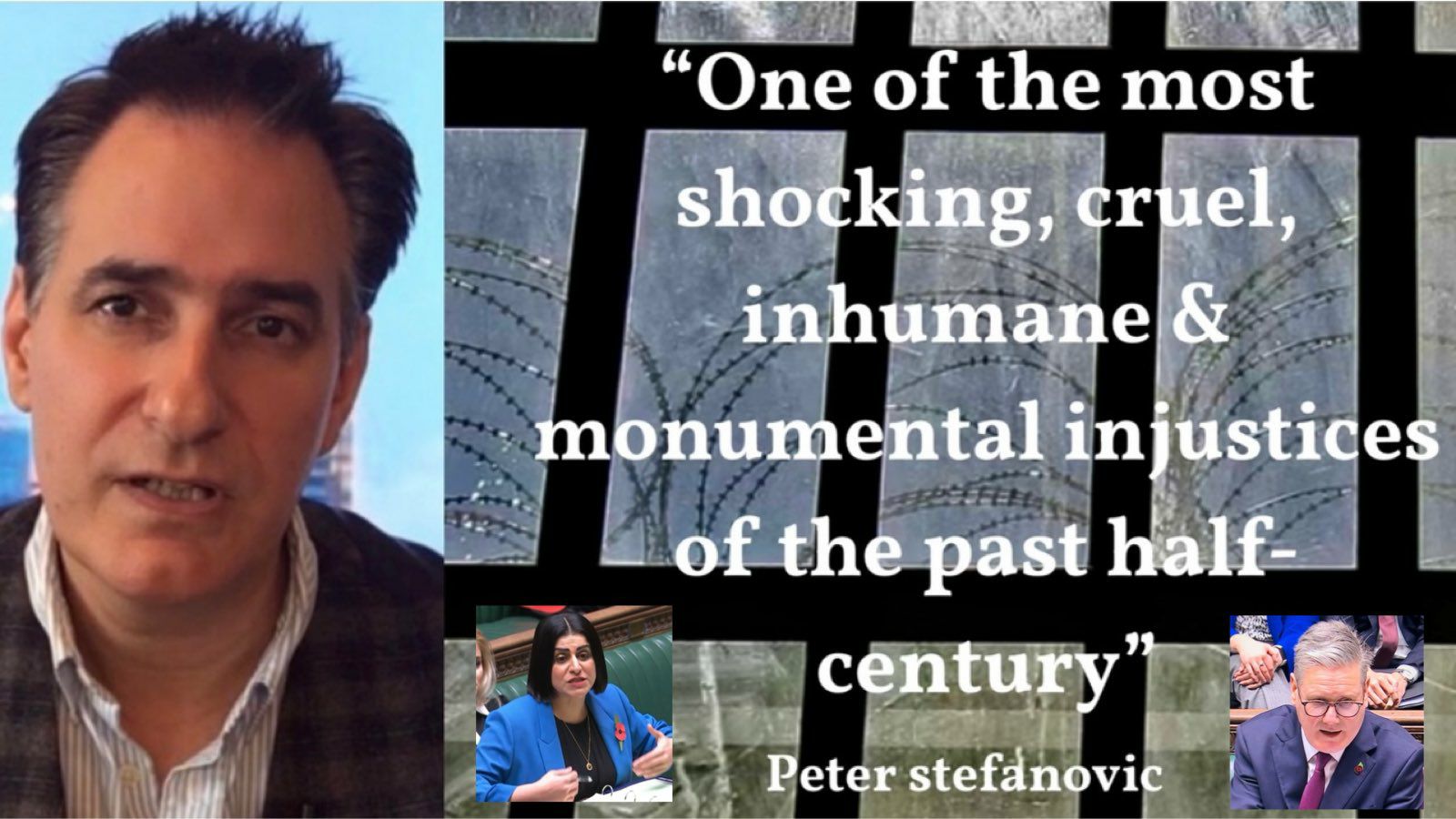
BACKGROUND
Some background information:
IPP sentences were introduced in England and Wales by the then New Labour government with the Criminal Justice Act 2003, as it sought to prove it was tough on law and order. These sentences were established to detain indefinitely serious offenders who were perceived to be a risk to the public. However, they were also used against offenders who had committed low-level crimes.
Astonishingly, this sentence has led to some people spending 18 years in jail for trying to steal a coat or imprisoned for 11 years for stealing a mobile phone. In one instance 16 years in jail for stealing a flowerpot.
UNLAWFUL
In 2012, after widespread condemnation and a ruling by the European court of human rights that such sentences were, “arbitrary and therefore unlawful”, IPP terms were abolished by the Conservative government. As the measure was not retrospective, thousands remain in prison.
Over 90 people serving sentences under the discredited IPP regime have sadly taken their own lives whilst in prison. In 2023 we saw the second year in a row of the highest number of self-inflicted deaths since the IPP sentence was introduced. This cannot be ignored.
Lord Brown, former supreme court justice called IPP sentences: “the greatest single stain on the justice system”. When Michael Gove was justice secretary, he recommended, “executive clemency” for IPP prisoners who had served terms far longer than their tariffs. But he didn’t act on it. Lord Blunkett, the Labour Home Secretary who introduced the sentences, regrets them, stating: “I got it wrong.” And more recently, Dr Alice Edwards, the UN rapporteur for torture has called IPP sentences an “egregious miscarriage of justice.” Even former Justice Secretary Alex Chalk KC has called them a stain on the justice system, yet despite that, the Conservative Government refused to implement the Justice Committees recommendation to re-sentence all prisoners subject to IPP sentences and the Labour government has so far similarly refused to engage in a resentencing exercise for those subject to IPP’s.
CAMPAIGN FOR SOCIAL JUSTICE
Campaign groups and their families have been fighting to end this tragic miscarriage of justice for more than a decade and films posted online by social media sensation and campaigner Peter Stefanovic have ignited a wider public storm on this tragic miscarriage of justice.
You can watch Stefanovic’s latest film here; https://x.com/peterstefanovi2/status/1927420211331772461?s=46&t=g6PUk4YExrOYprJSzQZ3lw
It is not surprising that the public reaction to his films have been one of shock, outrage, and disbelief.
PUBLIC SUPPORT
Stefanovic has said:
“The public support for my films has been overwhelming and the comments they are getting are a testament to the public’s anger, outrage and disbelief at this tragic miscarriage of justice.”
HOPE FOR JUSTICE
Now – a fresh attempt will be made to resolve the IPP scandal once and for all in the form of a Private Members’ Bill by the Labour peer Lord Woodley – the Imprisonment for Public Protection (Resentencing) Bill – a bill which Stefanovic is backing. In his latest film Stefanovic included an interview with Lord Woodley in which he asked the Labour peer about the importance of his bill. This was Lord Woolley’s reply:
“We’ve got a right as human beings to try and get things right and that’s why it’s really important that we force the government to take action and resentence these people who have no hope in life whatsoever at the moment”
Lord Woodley agrees with calls for a free vote on his bill. “It takes the politics out of it, instead of everyone fighting to say we don’t want to be seen to be weak on crime. It’s not about weak, it’s about fairplay, fairness, it’s about justice, it’s about treating families and family members with a degree of fairness and that’s why I think a free and open vote will allow people to see the justification in what we are asking for do the right thing” he says passionately.
If Lord Woodley’s Bill becomes law it will place the Justice Secretary under a legal obligation to ensure that all those serving an IPP sentence – whether in prison or in the community – are retrospectively given a determinate sentence.
To end the injustice faced by those serving IPP sentences the House of Commons Justice Select Committee has recommended a resentencing exercise take place, overseen by a panel of experts, for everyone still serving these sentences as the only way to address the unique injustice caused by the IPP sentence – but the Labour government has so far refused to engage with a such an exercise with Justice Secretary Shabana Mahmood telling MPs:
“We are not considering a resentencing exercise for IPP prisoners because that would automatically release a number of people who we do not believe would be safe to release”
However, as Stefanovic points out in his latest film
“the resentencing exercise recommended by the House of Commons Justice Select Committee would be overseen by a panel of experts who would explore how resentencing could happen in a timely way but one that would NOT jeopardise public protection – so it doesn’t mean immediate & automatic release as the Justice Secretary wrongly suggests”
Campaigners have recently hit out at the “short-sighted” decision not to include prisoners on indefinite sentences in the plans announced last week to reduce the prison population.
SENTENCING REVIEW
On Thursday 22nd May, the government published its long-awaited sentencing review, led by former Conservative justice secretary David Gauke, who recommended that some offenders who behave well in jail only serve a third of their term in custody before being released.
Not included in the scheme are prisoners serving IPP sentences. With Government Ministers saying they have inherited a prison system “on verge of collapse” Stefanovic says this is “nonsensical”. He concludes his latest film with strong words:
“So for heavens sake (Prime Minister) get behind Lord Woodley’s bill – If our prisons are at breaking point why on earth are prisoners given a 12 month sentence still there 19 years later whilst others are released early, it’s completely non sensical – almost three thousand people serving IPP sentences from behind bars is the equivalent to the population of four medium-sized men’s prisons, resentencing them will not only end once and for all one of the most cruel and monumental injustices of the past half century it will also head off the medium-term prison capacity crisis at the same time…the simple fact is that by refusing to engage in the resentencing exercise recommended by the House of Commons Justice Select Committee the Labour government is now allowing one of the most cruel, inhumane and monumental injustices of the past half-century – a scandal rightly described as a stain on our justice system – a scandal described by the U N rapporteur for torture as an egregious miscarriage of justice and psychological torture – and which likely breaches Article 3 of the Human Rights Act to be continued and perpetrated – this has got to end, so please prime minister – end this appalling injustice once and for all by getting behind and supporting Lord Woodleys bill – please don’t wait for the next ITV drama to do the right thing”

The boy in the cowboy outfit – my tribute to Erwin James 1957 – 2024
Many have seen the small black and white photo of a young boy in his favourite play outfit, an image that was etched in the memories of a once happy young boy.

But circumstances and a grief-stricken father destroyed all chances of returning to that happy place for Erwin. At the age of seven, with the loss of his mother in a car accident and his father turning to drink, put Erwin on a pathway he never thought imaginable.
Sent from pillar to post, never settled anywhere for very long, his childhood was abruptly curtailed.
His life cascaded from petty thieving to the care system and from homelessness and drunkenness to serious crime.
Wanted for murder he fled the country and joined the French Foreign Legion. Attracted by a sense of belonging and a new disciplined lifestyle was then to encompass him.
But it was short lived.
Two years later Erwin was sent back to England to face a trial with his co-defendant which resulted in a life sentence for the murder of two men. Straight to prison, a daunting prospect but he was relieved that the life he had been living was over.
“Big Jim” as he was referred to, began a new journey with the help from a psychologist, a lady called Joan, who encouraged him to get an education. There were hurdles to climb but Joan’s words “you owe it to your victims to be the best you can be with the life you have left” propelled him to passing his first exam in English.
As a natural writer, his skills initially helped to compose letters for his fellow inmates.
After many years in prison Erwin was asked by the Guardian to be a regular columnist. His stories of life on the wings became so popular that these articles were published in his first book “A life inside”.
On release, Erwin became a sought-after speaker at book festivals, events and academic conferences, and that is where I first met him, at Cambridge University. By that time, he had published his third book ‘Redeemable: A Memoir of Darkness and Hope’ and had become the editor in chief of the Inside Time newspaper, his dream job.
He loved writing and he passed on his passion to so many including myself. I can still hear his voice in my head,
“Narrative, Description and Dialogue”
Three years ago, Erwin sent me a draft copy of an insightful article he was writing and asked what I thought. It was a refreshing change as I was usually the one seeking his opinion on work. He wrote:
“I’d been adrift on my own sea of time for so long, living the same day over and over for weeks, months and years – trying to endure the psychology of just ‘doing time’ – amidst an environment awash with death, self-harm, violence and human corrosion. Like many long termers I never really knew where the prison journey was going to take me, or if I’d ever make it. But twenty years to the day, I walked out of those prison gates a better man because of books.”
Believing in prison reform but never saw himself as a prison reformer yet advocating for prison education at every opportunity. He had many roles over the years encouraging the Arts within the justice sector.
I had the opportunity to interview Erwin in The National Portrait Gallery, London where I wanted to introduce art as our common ground alongside prison reform. I pointed to a painting of a man with his books commenting on whether he was showing himself as an educated man, Erwin immediately responded:
“Books for the educated people? No. Books are for everyone, to me Faith books are a great leveller. If you can read, you can be King”

When the interview was published, he wrote this:
“I’ve known and admired Faith for a number of years. We haven’t always agreed on prison reform issues, but I’ve always respected her integrity, which shines in her writing, her passionate crusade for a more humane and effective prison system – and above all her indomitable spirit. I’m just glad we’re on the same side.”
Under the surface there was always the inward battle of feeling undeserved of any praise for himself or any of his writings. I believe this inner turmoil was always there ready to bubble up to the surface.
His death, so sudden sent shock waves through the prison community, his many friends, colleagues and acquaintances. He will be missed.
May his legacy remain, that education in prison will continue to greatly enrich all those that are given the opportunity to participate in the future.
Erwin James died on 20th January 2024.

CAMPAIGNING LAWYER BACKS PRIVATE MEMBERS BILL FOR RESENTENCING TO END SHOCKING IPP SCANDAL
INTRODUCTION
Campaigning Lawyer and CEO of CAMPAIGN FOR SOCIAL JUSTICE Peter Stefanovic, who’s films have been watched hundreds of millions of times online, has posted a new film backing a Private Members’ Bill by the Labour peer Lord Woodley – the Imprisonment for Public Protection (Resentencing) Bill. Stefanovic is calling on the new government to allow a free vote on the bill.
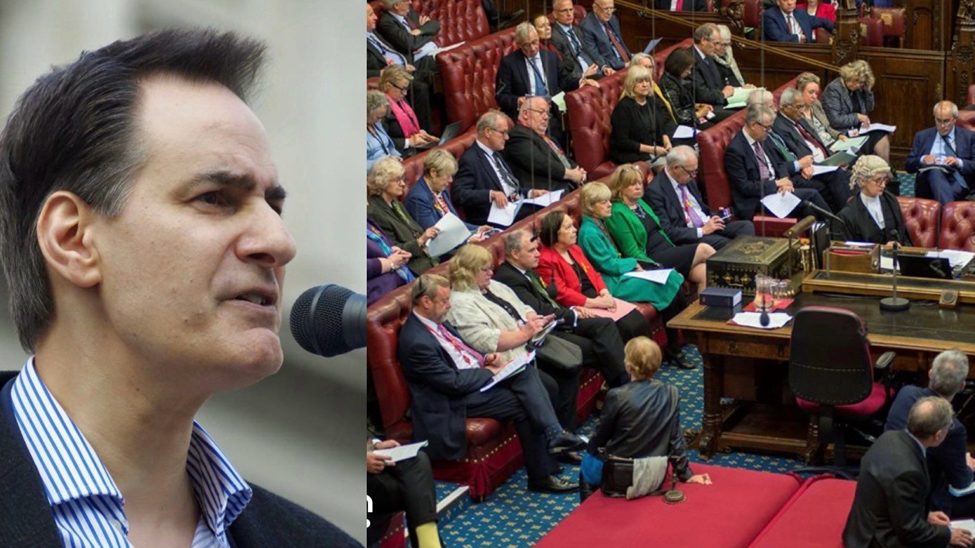
BACKGROUND
IPP sentences were introduced in England and Wales by the then New Labour government with the Criminal Justice Act 2003, as it sought to prove it was tough on law and order. They were put in place to detain indefinitely serious offenders who were perceived to be a risk to the public. However, they were also used against offenders who had committed low-level crimes. Astonishingly, this sentence has led to some people spending 18 years in jail for trying to steal a coat or imprisoned for 11 years for stealing a mobile phone. In one instance 16 years in jail for stealing a flowerpot.
UNLAWFUL
In 2012, after widespread condemnation and a ruling by the European court of human rights that such sentences were, “arbitrary and therefore unlawful”, IPP terms were abolished by the Conservative government. Yet the measure was not retrospective, and thousands still remain in prison.
Whilst in prison, under the discredited IPP regime, over 90 people serving this sentence have sadly taken their own lives. In 2023 we saw the second year in a row of the highest number of self-inflicted deaths since the IPP sentence was introduced.
Former supreme court justice Lord Brown called IPP sentences: “the greatest single stain on the justice system”. When Michael Gove was Justice Secretary, he recommended, “executive clemency” for IPP prisoners who had served terms much longer than their tariffs. But he didn’t act on it. Lord Blunkett, the Labour Home Secretary who introduced the sentences, regrets them, stating: “I got it wrong.” And more recently, Dr Alice Edwards, the UN rapporteur for torture has called IPP sentences an “egregious miscarriage of justice.” And yet, even when the former Justice Secretary Alex Chalk KC who also called them a stain on the justice system, the Conservative Government refused to implement the Justice Committees recommendation to re-sentence all prisoners subject to IPP sentences.
CAMPAIGNING
Campaign groups and their families have been fighting to end this tragic miscarriage of justice for more than a decade. In addition, films posted online by Peter Stefanovic, a lawyer and CEO of CAMPAIGN FOR SOCIAL JUSTICE have ignited a wider public storm on this tragic miscarriage of justice with over 20 MILLION VIEWS. It is not surprising that the public reaction to his films have been one of shock, outrage, and disbelief.
PUBLIC SUPPORT
Stefanovic has said:
“The public support for my films has been overwhelming and the comments they are getting are a testament to the public’s anger, outrage and disbelief at this tragic miscarriage of justice.”
PRIVATE MEMBERS BILL
Now – a fresh attempt will be made to resolve the IPP scandal once and for all in the form of a Private Members’ Bill by the Labour peer Lord Woodley – the Imprisonment for Public Protection (Resentencing) Bill – a bill which Stefanovic is backing. In his latest film Stefanovic included an interview with Lord Woodley in which he asked the Labour peer about the importance of his bill. This was Lord Woolley’s reply:
“We’ve got a right as human beings to try and get things right and that’s why it’s really important that we force the government to take action and resentence these people who have no hope in life whatsoever at the moment..3,000 prisoners, many of whom have served sentences way and beyond anything that would be fair or reasonable, even acceptable to human beings. Let’s help the individuals, their families, they’ve suffered far too much, and I believe it can be put to sleep pretty quickly if common sense appertains here.”
HOPE FOR JUSTICE
Lord Woodley agrees with calls for a free vote on his bill. “It takes the politics out of it, instead of everyone fighting to say we don’t want to be seen to be weak on crime. It’s not about weak, it’s about fairplay fairness, it’s about justice, it’s about treating families and family members with a degree of fairness and that’s why I think a free and open vote will allow people to see the justification in what we are asking for do the right thing” he says passionately.
NEXT STAGE
If Lord Woodley’s Bill becomes law, it will place the Justice Secretary under a legal obligation to ensure that all those serving an IPP sentence – whether in prison or in the community – are retrospectively given a determinate sentence. For the vast majority of IPP prisoners this will result in their swift and more than justified release.
On Friday 15th November, Lord Woodley’s bill passed its second reading and it now goes to committee stage, despite The Lord Timpson OBE DL, Minister for Prisons, Parole and Probation saying:
“Legislating to give every IPP prisoner a definite release date and post-release licence, or legislating to provide for a resentencing by court, would result in them being released automatically…either legislative approach would put the public at an unacceptable risk of harm, which the Government is not prepared to countenance.”
With recent reports suggesting there are fewer than 100 places available across the entire prison estate in England and Wales Stefanovic says:
“It’s a no brainer. It will go some way to heading off the medium-term prison capacity crisis and surely now is the time to completely take the politics out of this with a Free vote on the bill. Let’s now get this done – let’s work together to end one of the most shocking, cruel, inhumane and monumental injustices of the past half-century by getting behind and supporting Lord Woodleys bill – before more lives are tragically lost”

3 FILMS HIGHLIGHTING “MONUMENTAL INJUSTICE” OF IPP SENTENCES PASS 20 MILLION VIEWS
Social media sensation Peter Stefanovic – a lawyer, campaigner & CEO of CAMPAIGN FOR SOCIAL JUSTICE is creating a media storm with three films highlighting what he calls “one of the most shocking & monumental injustices of the past half century.” These films have now passed 20 million views.
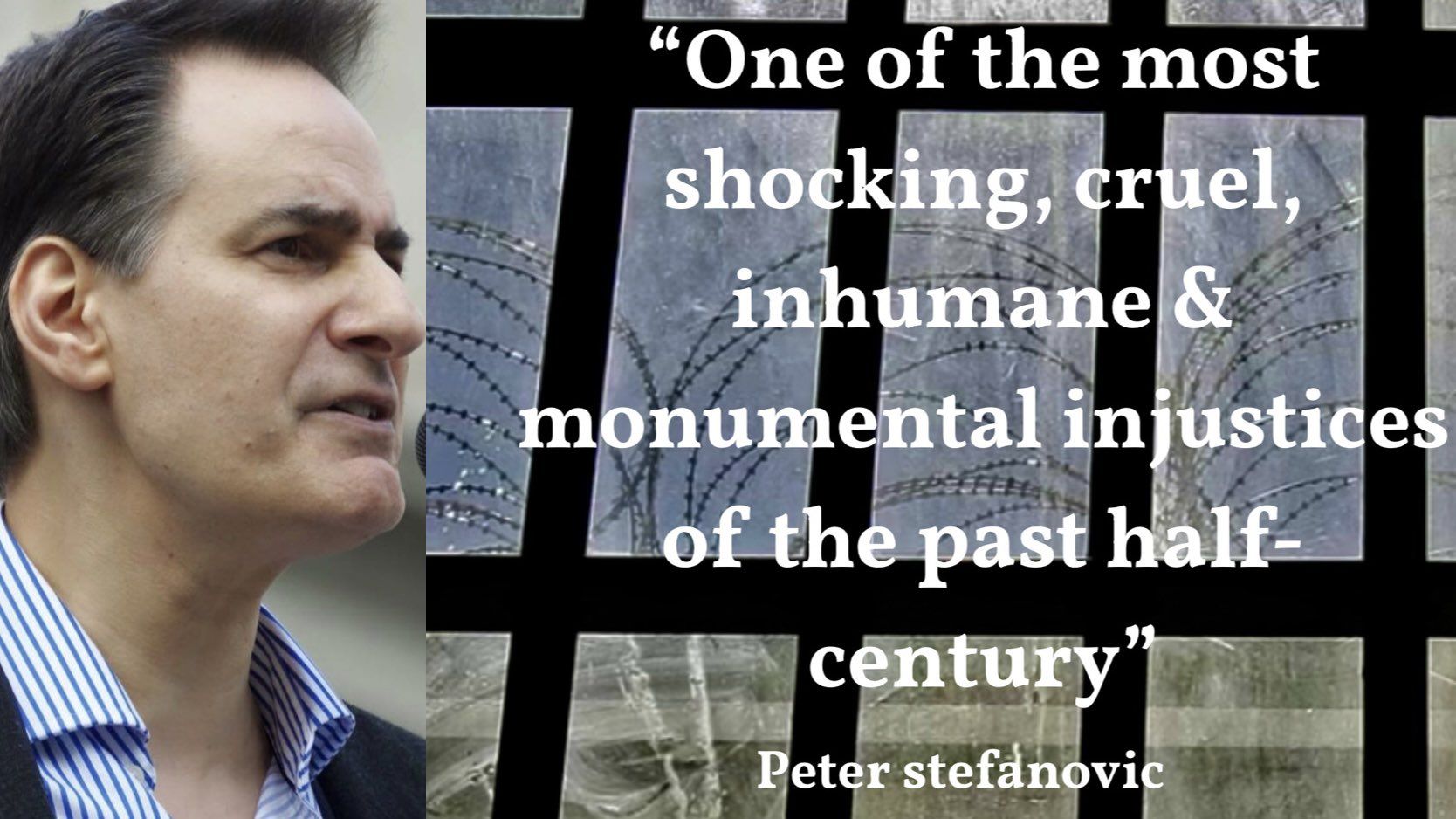
First IPP film has had 15 million views
Second film 1.3 million views
Third film 4.1 views
Click on each to view and please share with others
Below are typical comments from the public which his films are generating:
“Truly shocking”
“Absolutely horrifying”
“Unbelievable”
“Utterly awful”
“Madness”
“Inconceivable”
“Cruel”
LETTER TO THE SECRETARY OF STATE FOR JUSTICE
Stefanovic has recently joined a coalition of 70 criminal justice experts, civil society organisations, leading activists and campaigners in signing an open letter to Sir Keir Starmer MP’s new Labour Government and the Rt Hon Shabana Mahmood MP, Secretary of State for Justice, calling on them to deliver crucial reforms to the Imprisonment for Public Protection (IPP) sentence, which has claimed more than 100 lives since 2005 and has become a national scandal.
FILMS HIGHLIGHTING THE IPP SENTENCE
Stefanovic, whose films have been watched hundreds of millions of times, has posted a new video saying:
“I’ve just signed a letter calling on the new Justice Secretary to work at pace to end one of the most shocking, cruel, inhumane, degrading and monumental injustices of the past half-century – IPP sentences – a scandal which has a already claimed the lives of 90 people serving IPP sentences in prison and a further 31 that we know of in the community”
Stefanovic continued:
“I cannot overstate the urgency on this – in June one person serving an IPP sentence – a staggering 12 years over tariff set himself alight, another began his second hunger strike. This insanity has got to end – we must now put a stop to this inhumane and indefensible treatment which has absolutely no place in a modern Britain and political leaders – previously lacking the courage to take action – must now find the courage to do so.”
BACKGROUND
IPP sentences were introduced in England and Wales by the New Labour government with the Criminal Justice Act 2003, as it sought to prove it was tough on law and order. They were put in place to detain indefinitely serious offenders who were perceived to be a risk to the public. However, they were also used against offenders who had committed low-level crimes.
Astonishingly, this sentence has led to some people spending 18 years in jail for trying to steal a coat or imprisoned for 11 years for stealing a mobile phone. Another served 16 years in jail on a three-year IPP tariff for stealing a flower pot at the age of 17.
ABOLISHED BUT NOT RETROSPECTIVELY
In 2012, after widespread condemnation and a ruling by the European court of human rights that such sentences were, “arbitrary and therefore unlawful”, IPP terms were abolished by the Conservative government. But the measure was not retrospective, and thousands remain in prison.
Former supreme court justice Lord Brown called IPP sentences: “the greatest single stain on the justice system”. When Michael Gove was Justice Secretary, he recommended, “executive clemency” for IPP prisoners who had served terms much longer than their tariffs. But he didn’t act on it. Lord Blunkett, the Labour Home Secretary who introduced the sentences, regrets them, stating: “I got it wrong.” And more recently, Dr Alice Edwards, the UN rapporteur for torture has called IPP sentences an “egregious miscarriage of justice.” Even former Justice Secretary Alex Chalk KC has called them a stain on the justice system, despite that, the previous Conservative Government refused to implement the Justice Committees recommendation to re-sentence all prisoners subject to IPP sentences.
DEBATE IN THE HOUSE OF LORDS
In a debate in the House of Lords in May Lord Ponsonby – leading for Labour on justice said
“In Government we will work at pace to bring forward an effective action plan that will allow the safe release of IPP prisoners where possible”
In their letter the campaigners “urge the new government to honour its commitment, made in opposition, to “work at pace” to resolve this injustice.
HONOUR THE COMMITMENT…
Stefanovic says “The new government must now honour the commitment it made in opposition and work at pace to end this cruel, inhumane, degrading and most monumental of injustices”

END THE “MONUMENTAL INJUSTICE” OF IPP SENTENCES
Today we have heard The Secretary of State for Justice, Shabana Mahmood announce a temporary change in the law, to release prisoners after completing 40% of their sentence in prison rather than 50%. But for those on an IPP sentence they once again see others released whilst they continue to languish in prison.
LETTER TO THE SECRETARY OF STATE FOR JUSTICE
Social media sensation Peter Stefanovic, a lawyer, campaigner & CEO of CAMPAIGN FOR SOCIAL JUSTICE has joined a coalition of 70 criminal justice experts, civil society organisations, leading activists and campaigners in signing an open letter to Keir Starmer’s new Labour Government and to the Justice Secretary, Shabana Mahmood, calling on them to deliver crucial reforms to Imprisonment for Public Protection (IPP) sentences, a national scandal which has claimed more than 100 lives since 2005.
Peter Stefanovic has produced films which have been viewed hundreds of million of times, his latest video covers some of his concerns expressed in the letter, he said:
“I’ve just signed a letter calling on the new Justice Secretary to work at pace to end one of the most shocking, cruel, inhumane, degrading and monumental injustices of the past half-century – IPP sentences – a scandal which has a already claimed the lives of 90 people serving IPP sentences in prison and a further 31 that we know of in the community”
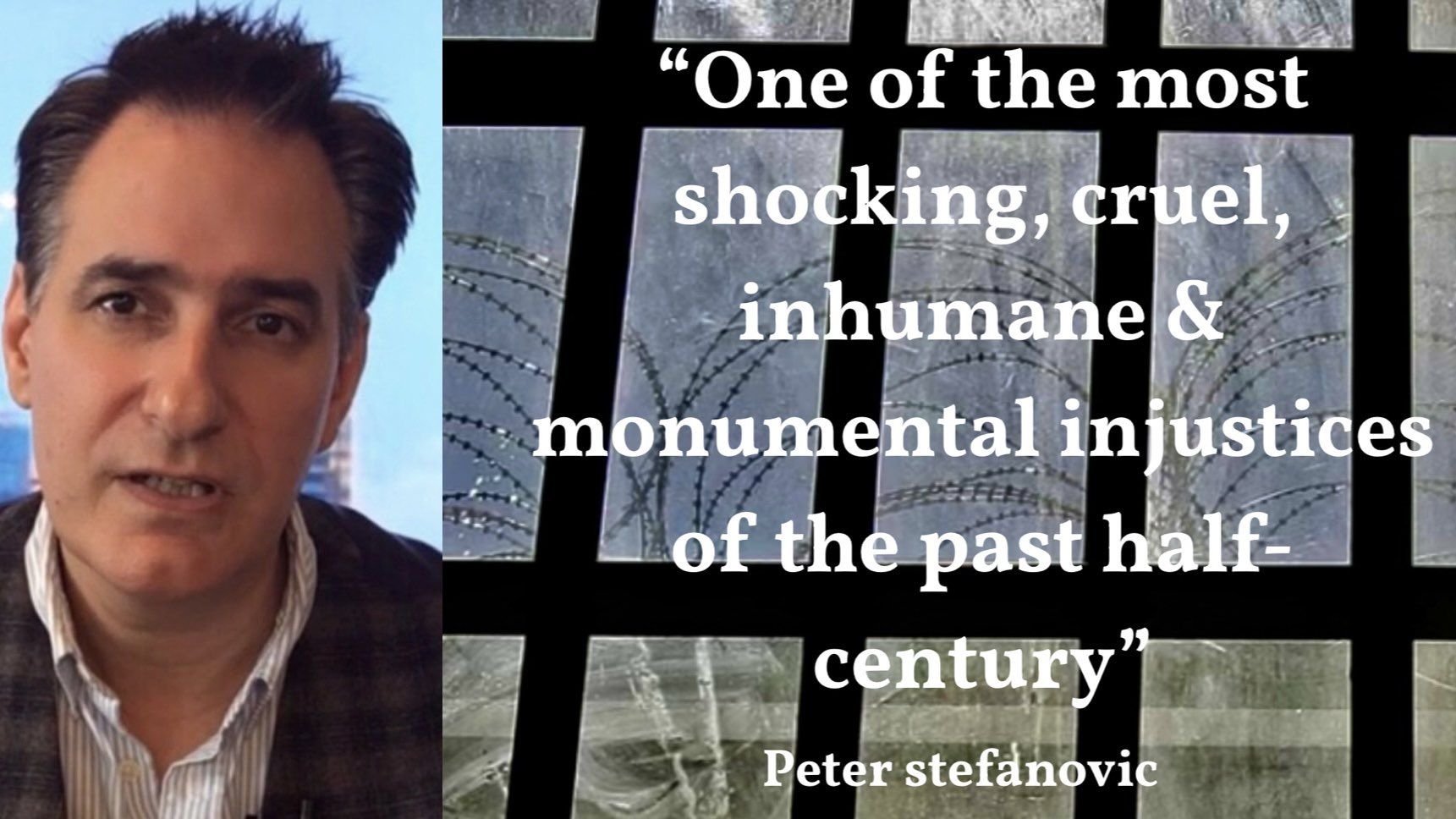
He continued:
“I cannot overstate the urgency on this – in June one person serving an IPP sentence – a staggering 12 years over tariff set himself alight, another began his second hunger strike. This insanity has got to end – we must now put a stop to this inhumane and indefensible treatment which has absolutely no place in a modern Britain and political leaders – previously lacking the courage to take action – must now find the courage to do so.”
BACKGROUND
IPP sentences were introduced in England and Wales by the New Labour government with the Criminal Justice Act 2003, as it sought to prove it was tough on law and order. They were put in place to detain indefinitely serious offenders who were perceived to be a risk to the public. However, they were also used against offenders who had committed low-level crimes.
Astonishingly, this sentence has led to some people spending 18 years in jail for trying to steal a coat or imprisoned for 11 years for stealing a mobile phone. Another served 16 years in jail on a three-year IPP tariff for stealing a flower pot at the age of 17.
ABOLISHMENT OF THE IPP SENTENCE
In 2012, after widespread condemnation and a ruling by the European court of human rights that such sentences were, “arbitrary and therefore unlawful”, IPP terms were abolished by the Conservative government. But the measure was not retrospective, and thousands remain in prison.
EGREGIOUS MISCARRIAGE OF JUSTICE
Former supreme court justice Lord Brown called IPP sentences: “the greatest single stain on the justice system”. When Michael Gove was justice secretary, he recommended, “executive clemency” for IPP prisoners who had served terms much longer than their tariffs. But he didn’t act on it. Lord Blunkett, the Labour Home Secretary who introduced the sentences, regrets them, stating: “I got it wrong.” And more recently, Dr Alice Edwards, the UN rapporteur for torture has called IPP sentences an “egregious miscarriage of justice.” Even former Justice Secretary Alex Chalk KC has called them a stain on the justice system, despite that, the previous Conservative Government refused to implement the Justice Committees recommendation to re-sentence all prisoners subject to IPP sentences.
HOUSE OF LORDS DEBATE
In a debate in the House of Lords in May, Lord Ponsonby – leading for Labour on justice said:
“In Government we will work at pace to bring forward an effective action plan that will allow the safe release of IPP prisoners where possible”
RESOLVE THIS INJUSTICE
In their letter, the campaigners “urge the new government to honour its commitment, made in opposition, to “work at pace” to resolve this injustice.
Stefanovic says “The new government must now honour the commitment it made in opposition and work at pace to end this cruel, inhumane, degrading and most monumental of injustices”

Labour finds its courage as House of Lords tackle decades of injustice in crucial vote on IPP amendments.
Next Tuesday, 21st May, the House of Lords will vote on significant amendments to the Victims & Prisoners Bill, aimed at rectifying one of the most shocking injustices of the past half-century – Imprisonment for Public Protection (IPP) sentences.
BACKGROUND
IPP sentences were introduced in England and Wales by the New Labour government with the Criminal Justice Act 2003, as it sought to prove it was tough on law and order. They were put in place to detain indefinitely serious offenders who were perceived to be a risk to the public. However, they were also used against offenders who had committed low-level crimes.
Astonishingly, this sentence has led to some people spending 18 years in jail for trying to steal a coat or imprisoned for 11 years for stealing a mobile phone.
UNLAWFUL
In 2012, after widespread condemnation and a ruling by the European court of human rights that such sentences were, “arbitrary and therefore unlawful”, IPP terms were abolished by the Conservative government. But the measure was not retrospective, and as a result, thousands remain in prison.
Let’s not forget that over 90 people serving sentences under the discredited IPP regime have sadly taken their own lives whilst in prison.
In 2023 we saw the second year in a row of the highest number of self-inflicted deaths since the IPP sentence was introduced.
The former supreme court justice Lord Brown called IPP sentences: “the greatest single stain on the justice system”. When Rt Hon Michael Gove MP was justice secretary, he recommended, “executive clemency” for IPP prisoners who had served terms much longer than their tariffs. But he didn’t act on his own recommendation. Lord Blunkett, the Labour Home Secretary who introduced the sentences, regrets them, stating: “I got it wrong.” And more recently, Dr Alice Edwards, the UN rapporteur for torture has called IPP sentences an “egregious miscarriage of justice.” Even the Justice Secretary Rt Hon Alex Chalk KC MP has also called them a stain on the justice system, despite that, the Government has so far refused to implement the Justice Committees recommendation to re-sentence all prisoners subject to IPP sentences.
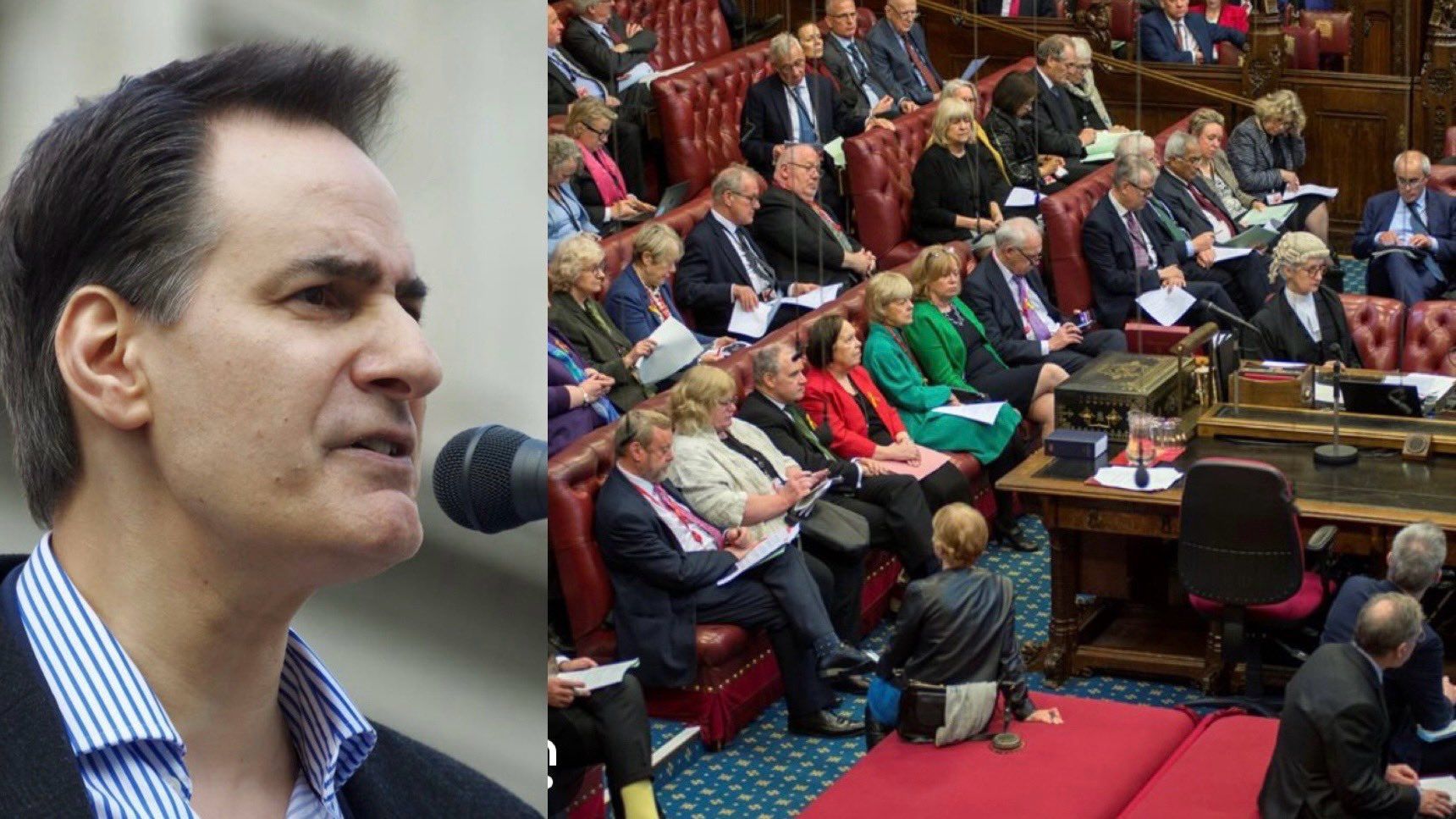
CAMPAIGN FOR SOCIAL JUSTICE
Campaign groups and their families have been fighting to end this tragic miscarriage of justice for more than a decade and a film posted online by social media sensation and campaigner Peter Stefanovic, a lawyer and CEO of CAMPAIGN FOR SOCIAL JUSTICE has ignited a wider public storm on this tragic miscarriage of justice and has been viewed a staggering 15 MILLION TIMES. It is not surprising that the public reaction to this film has been one of shock, outrage, and disbelief.
PUBLIC SUPPORT
Stefanovic said: “The public support for my film has been overwhelming and the comments it is getting are a testament to the public’s anger, outrage and disbelief at this tragic and monumental miscarriage of justice. Political leaders from both main parties must find the courage to step up and address the tragic injustice of indefinite jail terms”.
HOUSE OF LORDS DEBATE
His film was mentioned by Baroness Jones, Lord Moylan and Baroness Fox in the House of Lords debate on March 12. Furthermore, Baroness Fox also cited The Criminal Justice Blog.

HOPE FOR JUSTICE
The House of Lords is set to vote on a series of amendments to the government’s Victims and Prisoners Bill next Tuesday. These amendments are expected to challenge the government, with potential defeats on several fronts.
Of particular significance is the “Simon Brown Memorial Amendment,” named after the late former Supreme Court Justice who condemned IPP as the “greatest single stain on the British Justice system.” This amendment seeks to reverse the Parole Board release test burden, offering hope to IPP prisoners trapped in prolonged incarceration.
LABOUR FINDS IT’S COURAGE
Keir Starmer’s Labour Party has offered much needed hope to IPP prisoners trapped in the nightmare of prolonged incarceration and desperately needed hope for their families. In March 2024, Lord Ponsonby speaking for Labour said this in response to the important “Simon Brown Memorial Amendment”
“The noble Lord, Lord Moylan, in his amendment 161, is effectively reversing the burden of proof for IPP prisoners. He described it as a nudge to the Parole Board and discussed how significant that nudge would be, but it is a welcome nudge, non the less. It has the historic credentials of being supported originally by Lord Brown of Eaton-under-Haywood. It is a welcome amendment”
With Lord Ponsonby having confirmed Labour’s support for the all-important “Simon Brown Memorial Amendment,” which has given so much hope to those serving these sentences and their families. Campaign groups are now calling on the Lib Dems, Green Party, back benchers, Bishops and Tory rebels to join Labour in supporting it. The amendments will be voted on next Tuesday. Let’s hope they all step up and help bring to an end this injustice.

As his video hits 15M views, campaigning Lawyer calls on Political Leaders to find their courage
“Political leaders from both main parties must find the courage to step up and address the tragic injustice of indefinite jail terms” says Lawyer and CEO of CAMPAIGN FOR SOCIAL JUSTICE Peter Stefanovic.
BACKGROUND
IPP sentences were introduced in England and Wales by the New Labour government with the Criminal Justice Act 2003, as it sought to prove it was tough on law and order. They were put in place to detain indefinitely serious offenders who were perceived to be a risk to the public. However, they were also used against offenders who had committed low-level crimes.
Astonishingly, this sentence has led to some people spending 18 years in jail for trying to steal a coat or imprisoned for 11 years for stealing a mobile phone.
UNLAWFUL
In 2012, after widespread condemnation and a ruling by the European court of human rights that such sentences were, “arbitrary and therefore unlawful”, IPP terms were abolished by the Conservative government. But the measure was not retrospective, and thousands remain in prison.
Over 90 people serving sentences under the discredited IPP regime have sadly taken their own lives whilst in prison. In 2023 we saw the second year in a row of the highest number of self-inflicted deaths since the IPP sentence was introduced.
The former supreme court justice Lord Brown has called IPP sentences: “the greatest single stain on the justice system”. When Rt Hon Michael Gove MP was justice secretary, he recommended, “executive clemency” for IPP prisoners who had served terms much longer than their tariffs. But he didn’t act on it. Lord Blunkett, the Labour Home Secretary who introduced the sentences, regrets them, stating: “I got it wrong.” And more recently, Dr Alice Edwards, the UN rapporteur for torture has called IPP sentences an “egregious miscarriage of justice.” Even the Justice Secretary Rt Hon Alex Chalk KC MP has also called them a stain on the justice system, despite that, the Government has so far refused to implement the Justice Committees recommendation to re-sentence all prisoners subject to IPP sentences.
CAMPAIGN FOR SOCIAL JUSTICE
Campaign groups and their families have been fighting to end this tragic miscarriage of justice for more than a decade and now a film posted online by social media sensation and campaigner Peter Stefanovic, a lawyer and CEO of CAMPAIGN FOR SOCIAL JUSTICE has ignited a wider public storm on this tragic miscarriage of justice and has been viewed a staggering 15 MILLION TIMES. It is not surprising that the public reaction to this film has been one of shock, outrage, and disbelief.
PUBLIC SUPPORT
Stefanovic said:
“The public support for my film has been overwhelming and the comments it is getting are a testament to the public’s anger, outrage and disbelief at this tragic miscarriage of justice. If Labour step up and back the amendments supported in the Lords by both Lib Dem and Green Party peers, we can end this tragedy now. It’s time to do what we all know is right before more lives are tragically lost.”
HOUSE OF LORDS DEBATE
His film was mentioned by Baroness Jones, Lord Moylan and Baroness Fox in the House of Lords debate on March 12. Furthermore, Baroness Fox also cited The Criminal Justice Blog.
HOPE FOR JUSTICE
The House of Lords is set to vote on a series of amendments to the government’s Victims and Prisoners Bill sometime in May. If Labour join with the Lib Dem and Green Party peers who are already backing them the amendments will pass and an end to this tragic miscarriage of justice quickened
Stefanovic is calling on political leaders from all parties “to find the courage to step up and address the tragic injustice of indefinite jail terms once and for all”
 The Criminal Justice Blog