
Home » Cat C
Category Archives: Cat C

A Story of Two Brothers: Rob and Roddy
Over a period of 3½ years writing about the Imprisonment for Public Protection (IPP) sentence, and almost 20 articles later this may become my most important piece. Without overstating this issue, I am now persuaded that IPP is a matter of life and death. Allow me to explain why.
What follows is a long-form article. This is deliberate because it portrays the lives of real people. I have chosen to include the views and recollections of Roddy, over a span of time, shared with me in the hope that his brother Rob will not become yet another death in custody statistic.
Growing up in a rural village, their childhood was difficult and could be seen as abusive.
As a teenager Rob learnt to play the guitar and was a drummer in a band playing at various venues across England and Wales and remained an active musician right into adulthood.
Drinking socially, smoking cannabis and dropping acid had become part of Rob’s teenage years and early adulthood. His working life started as a vehicle accident repair technician where he developed an interest in fabrication, working as a highly skilled fabricator with various engineering businesses. After some short relationships and at least one long term relationship Rob eventually married a woman who had three boys from a previous relationship. To this day, two boys from his marriage speak highly of him.
At some point before marriage, he stopped dropping acid and smoking cannabis but was still drinking socially and at family home gatherings. But Rob’s drinking became problematic to the point that his marriage broke up and he lost his employment. Alcohol consumption increased and Rob resumed taking cannabis products.
Rob recognised that he had problems and sought help from his GP and other medical professionals. He was diagnosed as being alcohol dependant and was recognised by medical professionals that he was suffering with some form of mental health impairment. On more than one occasion Rob was admitted to a mental health hospital and was also an outpatient with mental health services.
There were concerns regarding suicide and the mental health services considered various diagnoses. Rob was prescribed various anti-psychotic medication and was taking the prescribed medications.
While under the care of mental health services, he worked as a volunteer in the community, grass cutting, hedge cutting and strimming, using his own petrol-powered equipment to do the community work.
He still played as a band member and was active on the pub social scene. However, during this time, he became involved in an on/off relationship with a person who was to later become the sole victim of his wrongdoing.
Roddy recollects:
“In August 2009, my brother’s on/off partner informed him that she was having an intimate relationship with someone else. My brother was aggravated and became distressed at this confession. He got intoxicated and sent voice and text messages threatening to burn his victim and he then went to his victim’s home where he continued to threaten to burn her. She ran to a neighbour, called the police and stated that she felt in fear for her life.”
Rob has always acknowledged that he made threats. He has maintained that his intention was never to kill his victim, he has said that he wanted his victim to have an understanding and feel the distress that he was feeling! His victim stated that she felt in fear for her life.
When arrested, Rob claimed that the police should have referred him to mental health services by way of sectioning under The Mental Health Act. Instead he was put before a Magistrates Court which chose to refer the matter to Crown Court rather than handing him a hospital order, even though he had no previous convictions other than for a speeding offence. Rob was charged with threat to kill. He didn’t agree with the entirety of the victim statements but recognised and accepted his wrongdoing.
What is very clear here and very sad is that there were three missed opportunities to section Rob: shortly after arrest by police; at the Magistrates Court and at the Crown Court. This set Rob on a trajectory that should never have occurred.
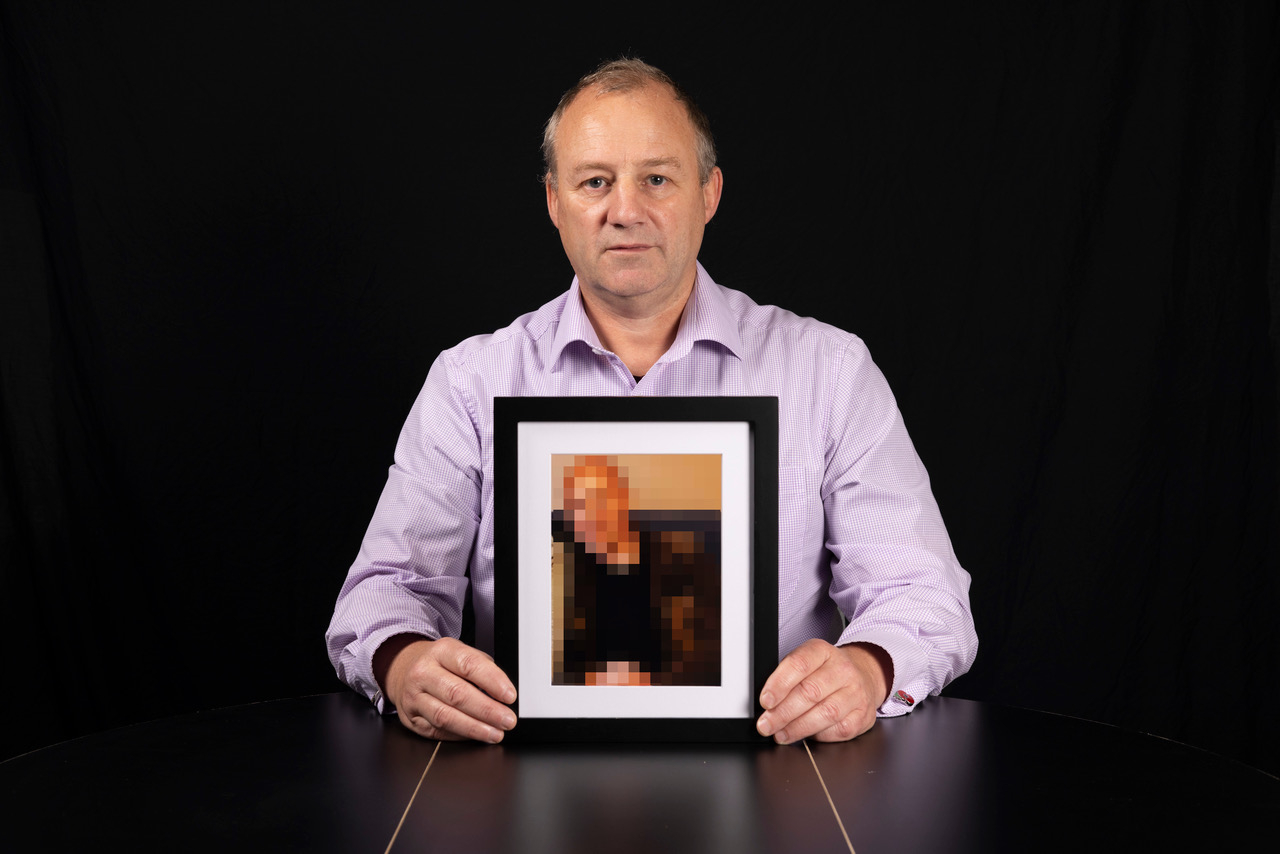
Roddy continued:
“My brother entered a guilty plea. This meant there was no trial for the victim, my brother or the court to endure. My brother’s mental health history was not considered by the crown court, and a mental health professional told the court that there were no significant mental health factors to be concerned with.
However, in fact my brother was an outpatient with mental health services and had been prescribed and was taking anti-psychotic medication that should not be prescribed to an alcoholic who was intoxicated at the time of wrongdoing and was also known to take cannabis products with a history of taking recreational opiates such as acid.”
It makes you question who this “mental health professional” was. Surely, they would have had access to medical records, and if so, why did they choose to ignore or disregard those clinical notes?
In the Crown Court, Rob was handed an Imprisonment for Public Protection (IPP) sentence with a tariff of 3 years reduced to two and a half years on appealing the sentence tariff.
As far as Roddy is aware, from the point of arrest and so far, Rob stopped consuming alcohol and other recreational drugs, and has remained sober and drug free.
HM Prison and Probation Service (HMPPS) staff did not provide Rob with his prescription medication at the strict time he was instructed to take it and eventually stopped the prescription medication completely.
Rob concluded that if you mix a cocktail of alcohol, recreational drugs and anti-psychotic medication coupled with the emotional effects of a dysfunctional relationship with his victim, all within the context of being unfaithful and/or with an interest in polyamorous intimacy, you have a recipe for him or anyone else to act un-characteristically dangerous at the time of committing these acts of wrongdoing. Rob has since refused to take any anti-psychotic medication that healthcare professionals might prescribe.
During his two-and-a-half-year tariff period, Rob was fully engaged with the HMPPS regime, completing the 12 Step Alcohol Dependency Treatment Programme and engaging in various other activities such as Alcoholics Anonymous, Education, Gymnasium, Changing Tunes music group, Chaplaincy, Koestler Awards and many other productive initiatives along with producing and playing a lead part in a Les Misérables musical theatre performance attended by the then Duchess of Cornwall, now Queen Camilla.
Rob also achieved the Enhanced Incentivised Earned Privileges (IEP) award, often seen as coercive and controlling measures used by HMPPS, and could therefore see no reason as to why he would not be released from prison.
Roddy expanded:
“At or near his tariff expiry and on the run up to his first Parole, HMPPS staff stated that he would need to complete a Healthy Relationship Programme (HRP). This was a Ministry of Justice (MOJ)/HMPPS Offender Behaviour Programme (OBP) that my brother did not qualify for as his Offender Violence Predictor scores (OVP) were too low.
Later this programme was discredited and shut down as it was found to be ineffective and arguably delivered the opposite of what it was supposed to achieve. My brother was shoehorned onto the HRP and found himself distressed and unable to cope with the course and some of the other attendees. Rob was removed from the HRP programme, and HMPPS staff blamed him for his distress.
My brother did not get his Parole direction for release.”
It was around this point that Rob realised an IPP sentence was a life sentence and concluded he was never going to be released. The effect turned out to be devastating; he withdrew into himself, stopped his personal care and stopped engaging with HMPPS, attempting suicide on at least two occasions and asking a prisoner to throttle him to death. On another occasion he placed a chair leg across his neck asking another prisoner to jump onto the chair leg. These were acts of desperation.
Roddy explained what happened next:
“HMPPS Safer Custody contacted me stating that they had become concerned for the welfare of my brother. I decided to visit.
This was to be my first ever visit to someone in a prison. Once in the visits hall, HMPPS staff informed me to make my way to the table and chairs of the person I had come to visit. I couldn’t see my brother, so I was instructed to go to a chair and table identified by an alpha numeric code. A person was sat on a chair at the table. It was my brother. I didn’t even recognise him, he was unkept, emaciated, grimy and grubby. He looked like the depictions of Jesus shown nailed to the cross. He wouldn’t give any eye contact, was on a frightened hyper vigilant alert looking around the visits hall and I couldn’t get him to engage in any coherent conversation or accept an offer of food and drink from the visits hall tuck shop. Staff called time on the visit, and I left and broke down in tears from seeing my brother in such a terribly neglected physical and mental state.”
Eventually, Rob was transferred from prison to a low secure mental health hospital, the same hospital he had been admitted to when he had sought help from his GP. But this time he required physical treatments before they could start any mental health treatments. He was transferred to a hospital to have an ingrowing toenail surgically removed; it had grown so far up into his foot that amputation of the foot was considered. He was also taken to a dental hospital to deal with some issues regarding the neglect of oral care.
Back at the low secure hospital, Rob was so emaciated that his body couldn’t process solid food, which meant that he had to be fed on gels. Recovery was slow, nevertheless he started to engage and receive visitors. He prepared and cooked meals, trained in the hospital gym, started playing guitar and engaged in other mental health therapies. The hospital staff, probation staff, a social worker, family and a friend all participated with getting Rob well.
A community reintegration package was developed, and Rob was informed that this could not be implemented until after he had been returned to prison and then transferred from prison back to the hospital. He was led to believe that he would go back to prison for six months and then be returned to hospital. But he was transferred back to prison and not returned to the hospital.
Rob phoned Roddy from prison in a distressed state.
At or just before the six-month period of having been returned to prison, HMPPS staff informed Rob that he was to be placed on an Offender Behaviour Programme (OBP) called Kaizen. He informed staff he did not qualify to do Kaizen as his Offender Violence Predictor scores (OVP) were too low and that he was to be returned to hospital for reintegration into the community.
Roddy picks up the story:
“This led to some form of altercation between my brother and several HMPPS staff. Up to this point, my brother’s incarceration had been in the closed category C training prisons. I and others visited my brother during this period, and my brother kept in contact with me and with his support network through telephone calls and ‘email a prisoner exchanges’.”
The altercation led to a regressive move into the category B prison estate where the Kaizen OBP was available. Rob refused to do Kaizen and this OBP has since been removed as it was found to be ineffective in much the same way as the HRP OBP.
Continuing to maintain that he did not qualify for any HMPPS OBP’s due to his OVP scores being so low, Rob refused to do any OBP that HMPPS suggested.
Adjudications followed with periods in segregation, Rob was downgraded to the basic IEP level and moved around different cells and wings. He was beaten on several occasions with one beating resulting in a hospital admission where 17 stitches were needed to Rob’s head.
HMPPS Forensic Psychology Services claimed that Rob had what they call an Offender Personality Disorder (OPD). The MoJ OPD diagnosis is highly questionable as the criteria is loose and ambiguous. Once on this pathway the label is hard to shift. It is not listed in either the Diagnostic Statistical Manual of Mental Health Disorders (DSM) or the International Classification of Diseases Manual (ICD).
In fact, it was devised by the MoJ, which recruited Forensic Psychologists and trained them through their own programme. In other words, the MoJ created an OPD diagnosis purely for the purpose of justifying the Offender Behaviour Programmes (OBP) and the OBP pathway. Furthermore, the Forensic Psychologists own professional body being the British Psychological Society (BPS) have been critical of this, stating on more than one occasion that Forensic Psychologists and the OPD diagnosis is causing IPP prisoners harm.
Huge questions arise when you realise that 96% of IPP prisoners receive this OPD diagnosis, a blanket and sham diagnosis, which has also been referred to as an abuse of power, especially when you also discover it was invented by politicians and officials and not through grounded clinical decision.
During this time, Roddy continued to visit his brother. They exchanged emails and Rob phoned both his brother and others who had been a support.
Then another transfer occurred. Rob was sent to a Long-Term and High Security Estate (LTHSE) Category B prison. He continued to disengage accepting that this type of prison is where he will spend the rest of his life.
More distress came when he was refused attendance at his mum’s funeral or seeing her in the funeral directors Chapel of Rest. At this point he was still engaged with other prisoners around him and accepted visits from Roddy but claimed he felt too unsafe to leave his cell which meant that on occasions he didn’t turn up for visits.
For Roddy, this was a 600-mile round road trip, and contact remained via email and phone.
After several years in the category B LTHSE, Rob was transferred to a private medium secure hospital. But this was seen as another regressive move.
Roddy explains:
“My brother is not best pleased and questions as to the reasons why, and demanding he is returned to prison. The hospital claim that they cannot diagnose my brother as he is not engaging and is refusing to take anti-psychotic medication. It is around this time that I discover the parole process is paused when a prisoner is transferred to hospital. The United Nations Working Group on Arbitrary Detention experts claim that suspending parole when a prisoner is in hospital is discriminatory. I and others visit my brother in hospital, telephone communication becomes difficult and email communication is not facilitated. After several months, my brother is transferred on another regressive move to the category A LTHSE.”
More anguish followed as Rob became distressed with this further regressive move; Rob believed he will be killed if incarcerated in a category A prison. Calls from HMPPS and the chaplain, and confirmation from a call from Rob, informed Roddy where his brother was held.
But this was the last phone call, there were no more emails or accepting visits either, Rob totally disengaged and housed within the Healthcare unit of the prison.
A call from the Chaplin informed Roddy that his brother, now on an induction wing was too frightened to leave his cell, even for slopping out. Due to no in cell sanitation a bucket is supplied for any waste. However, Rob accepted the chaplain’s offer to escort him.
An arrangement by Roddy for an in-person visit resulted yet again in a no show. The Chaplain explained that Rob had stopped engaging with anyone and was on the Healthcare wing and he suggested Roddy arrange another in-person visit and if Rob didn’t show again then arrangements could be made for Roddy to actually visit his cell.
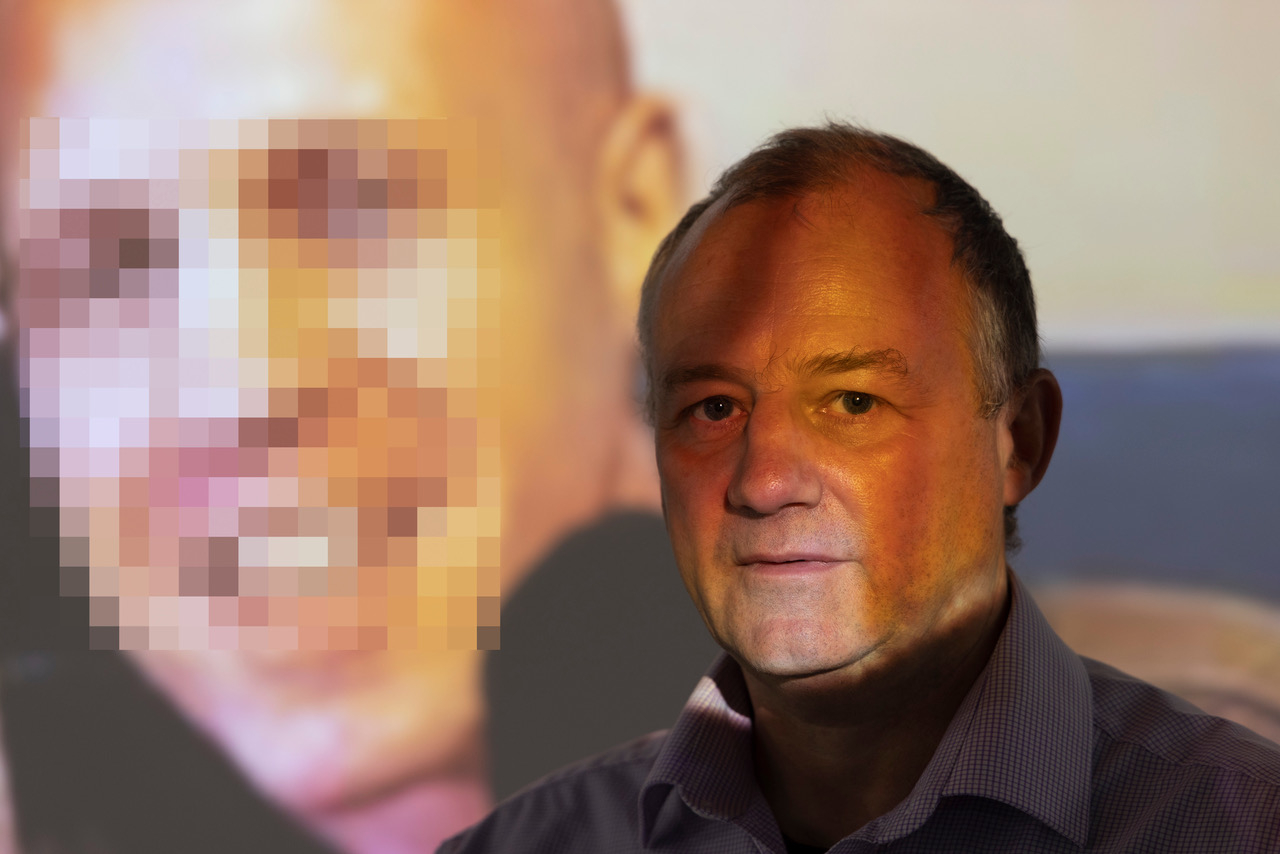
Roddy recollects:
“I’m met in the visit hall by my brothers HMPPS Assessment Care in Custody Treatment (ACCT) manager and taken to the prison healthcare unit, my stress and anxiety levels are through the roof. I’m ushered into a side room and put in front of a panel of HMPPS staff comprising the ACCT manager, a Forensic Psychologist, a Mental Health worker, a Safer Custody representative, the Prison Chaplain, and an Independent Monitoring Board (IMB) member. The ACCT manager proceeds to inform everyone what has been observed and what has happened with my brother. I cannot recall what other comments might have been made by the other panel members. However, I feel that I am there as a last-ditch effort to try and get my brother to engage. I recall informing the panel about the disgraceful way in which the MOJ and HMPPS treat my brother and other IPPs and that what we need are whistleblowers. I inform the panel that they will not whistle blow on the mistreatment of IPPs when their salaries depend upon it and I direct most of what I am saying to the forensic psychologist asking her not to take personally what I’m saying as I’m directing what I’m saying at the forensic and mental health professions.
I’m taken to the healthcare cell to see my brother. I’m almost overwhelmed with what I see. My brother is sat in the middle of a bed, feet on the floor staring at the floor dressed in filthy grey prison clothes. Strewn across the floor in front of my brother are what appears to be personal effects contained in opaque plastic bags. Standing in the open-door space is the HMPPS Safer Custody representative and just inside the doorway is the ACCT manager and in front of him is the prison chaplain. I can’t smell anything as I believe my senses are overwhelmed to the point that my sense of smell has shut down.
Before sitting on the bed next to my brother, I asked if it was okay for me to sit on the bed next to him. He did not respond so I informed him that I was going to sit on the bed next to him. I tried to get him to engage in conversation, I do not recall what I said. I did not get any response. I asked my brother if I could put my arm across his shoulders. He did not respond. I put my arm across his shoulders. I asked my brother if I could give him a hug. He did not respond. I hugged him and sat on the bed next to him with my arm across his shoulders and continued trying to get him to engage. He did not respond. I started to refer to The Bible. He responded by grizzling Stop, Stop, Stop. I stopped. I remained sat in silence with my brother, observing the awful environment that he was incarcerated within and had many intrusive thoughts running through my own mind. The chaplain broke the silence stating he was needed elsewhere and said goodbye. Rob remained sat staring at the floor. We sat a while longer in silence until two staff in the doorway stating it was time for me to leave, and I was ushered back to the side room with all the panel members other than the prison chaplain. I was too distressed to say much and felt that it best to say very little other than to thank the staff for facilitating the visit. The ACCT manager escorted me back through the prison to the visit hall and I left with a lot of mixed emotions.”
Roddy later found out that he had been used by HMPPS to close the ACCT so that his brother could be discharged from prison healthcare and transferred onto a regular prison wing. This was very troubling for Roddy who then sought privately funded counselling for himself to help deal with the trauma caused by this dreadful situation.
Yet again another no show at a visit, no phone calls and no response to emails led Roddy to believe Rob was still disengaged. Roddy was informed by a member of staff that Rob didn’t want to see him. When pressed for more information that same member of staff said he had never met Rob, but would go to his cell and ask him if he would attend the visit. News came back that Rob just grunted when asked about the visit, this was interpreted as a No.
Roddy asked if his brother was self-isolating. Wing staff didn’t think so as his cell was neat and tidy and he collected his meals without engaging with anyone. Yet staff hadn’t specifically looked at the board or asked the wing staff if he was self-isolating. This was a contrast to the chaotic state of Rob’s cell previously when Roddy was escorted to it by members of staff.
Roddy’s brother Rob is now fourteen and a half years beyond tariff and he in his eighteenth year of continuous incarceration for making threats whilst in a state of personal distress. Roddy gets no response from his brother from emails and information he sends regarding IPP prisoners.
This month Roddy has learnt that Rob has been moved yet again to a hospital. There has been no communication with the family as to this move or reasons why. Meanwhile, Roddy’s name as next of kin has been removed, it is unclear if this is just temporary as how would else would Roddy learn of his brother’s condition or even visit him?
I have found this to be a remarkable story. As it sinks in, we must all be mindful that there are hundreds more stories where families and friends serve the sentence alongside their loved ones. Roddy will never give up on his brother Rob or other IPP prisoners and their families.
Prevention of Future Deaths
This tale of two brothers culminates in a call to real action. IPP prisoners have died in custody, that is they have died by suicide, signalling that in their cases the sheer mental attrition proved too much for them to bear any longer.
Roddy does not want this for his brother. Why wait for someone else to die, surely something must be done now. The system is not only setting people up to fail, but in reality, is the system as it stands setting people up to die?
According to Gov.uk, Coroners have dealt with approximately 30,000 inquests so far this year, of which 377 resulted in them issuing a Regulation 28: Report to Prevent Future Deaths. This is within the coroners’ legal powers, and which are publicly available online. Coroners may issue their report to anyone the coroner believes must define the steps they will take to prevent future deaths, and who are given 56 days to reply.
Among them are four inquests concerning IPP prisoners which came to my attention whilst writing this piece, two from 2026. What I found was astoundingly chilling. In the small sample where a Regulation 28 Report on Prevent Future Deaths (PFD) was issued by the coroner, the coroner took care to define the harm that IPP causes.
In the investigation and inquest of Ronald Meikle aged 47 who died on 30 April 2024 in custody at HMP Woodhill, the PFD issued by Sean Cummings, Assistant Coroner for the coroner of area of Milton Keynes, under Concern 7, Mr. Cummings wrote:
“I am concerned that Mr Meikle’s IPP status was not sufficiently recognised as a material risk factor requiring structured support, regular review and coordinated care.”
The reply from NHS Central and North West London NHS Foundation Trust (CNWL) dated 18 May 2026 was on time, 3 pages long, structured and considered. It was clinically grounded across all 12 concerns raised by the coroner. In their reply to Concern 7: Vulnerability of IPP prisoners, they wrote:
“We are explicitly considering IPP status within clinical risk assessment and referral processes. Because this is an explicit vulnerability, we can structure our clinical support packages and ensure regular reviews by the MDT.”
In sharp contrast to that reply, the reply from HM Inspectorate of Prisons dated 4 June 2026 was late, curt, unstructured and nonchalant. It read like a copy and paste from a playbook. It made no direct reference to the 12 concerns raised by the coroner, but instead generalised and mashed together everything in the context of an Urgent Notification process invoked by the Chief Inspector of Prisons. Tellingly, and this is a key point, the reply from HM Inspectorate of Prisons made zero reference to the fact that Mr Meikle was an IPP prisoner, nor answered the coroner’s concern 7 on the specific harm of IPP.
Regulation 28 Reports to Prevent Future Deaths are an existing instrument to obtain detailed answers and, as the title suggests, to ascertain clear actions to prevent future deaths.
So again, I ask, why wait for someone else to die? Something else must be done, and done now.
Glimmers of hope
When Andy Burnham became Prime Minister there was an acknowledgement from Mr. Burnham that IPP is unjust, and he declared that he would end IPP before the next Parliament. This has been welcomed. However, this is not the first announcement providing a glimmer of hope. Many such glimmers have come and gone without any tangible or meaningful change. Therefore, I will leave the last words to Roddy:
“I’m hoping he [Andy Burnham] remains true to his words and takes expedient action to end IPP which has been ruled by United Nations experts as torturous, cruel, inhuman, degrading conditions and that the incarceration of IPPs is arbitrary and therefore unlawful. I believe that Rob and most IPPs like Rob need trauma treatments without MOJ, HMPPS and parole interference. Hospital and Community Treatment Orders are in my view the way forwards. It’s been done for at least one IPP who is now a former IPP and IPP survivor.”
~
Photo credit: Copyright © Andy Aitchison Photographer. All rights reserved. Used with kind permission. To view his images, please visit the website www.andyaitchison.uk
First published by The Criminal Justice Blog 15 Nov 2026.
Article: Copyright © Faith Spear FRSA. All rights reserved.
Contributions: Copyright © Roddy Russell. All rights reserved.
~
References cited in this article
https://commonslibrary.parliament.uk/research-briefings/sn06086
https://assets.publishing.service.gov.uk/media/5a7ce48eed915d7c849ade01/glossary-programmes.pdf
https://www.psychiatry.org/psychiatrists/practice/dsm
https://www.who.int/standards/classifications/classification-of-diseases
https://www.psychiatry.org/psychiatrists/practice/dsm
https://www.judiciary.uk/courts-and-tribunals/coroners-courts/reports-to-prevent-future-deaths
https://www.legislation.gov.uk/uksi/2013/1629/part/7/made
https://preventabledeathstracker.net/
https://insidetime.org/newsround/andy-burnham-pledges-to-scrap-ipp-but-cancels-more-early-releases/
https://news.un.org/en/story/2023/08/1140237
~
References consulted and suggested further reading
https://www.gov.uk/guidance/offending-behaviour-programmes-and-interventions
https://www.gov.uk/guidance/hmpps-accredited-programmes
https://prisonreformtrust.org.uk/adviceguide/offender-management-and-sentence-planning/
https://www.gov.uk/guidance/offending-behaviour-programmes-and-interventions
https://www.gov.uk/algorithmic-transparency-records/hmpps-violence-in-prisons-estimator
https://www.judiciary.uk/guidance-and-resources/chapter-16-reports-to-prevent-future-deaths-pfds/
https://preventabledeathstracker.net/
https://www.bps.org.uk/forensic-psychologist-job-profile
https://doi.org/10.1348/135532503762871273
https://doi.org/10.1348/135532503762871255
https://www.bps.org.uk/research-digest/research-mental-health-prisoners-digested
https://www.psychologytoday.com/gb/basics/dsm
https://www.psychologytoday.com/gb/basics/international-classification-of-diseases-icd
~

‘Letting Abusers Out Early: Solving the Prison Crisis’ | Battle of Ideas 2026
Speech by Faith Spear FRSA given at Battle of Ideas, Parker Morris Hall, Westminster on Saturday 17 October 2026.
Let me start by saying prisons are in a permanent state of crisis in one form or another, I’ve never known a time when prisons were not in crisis. When things haven’t changed in decades then it becomes a permanent installation of the system, so let’s not kid ourselves that letting abusers out early will solve the prison crisis.
The problem of overpopulation and the risk of full capacity will still be there.
Between 1500 – 1800 prison cells across England and Wales sit completely empty/out of use because they lack the legally required automatic fire detection systems (AFD), according to James McEwen, Director General Chief Executive Officer HMPPS at Ministry of Justice.
This is approximately the number of cells you would find in a mega prison.
There is a £1.8B maintenance backlog. Gov Facility Services Limited (GFSL) with registered Office in Petty France took over when [the facilities management company] Carillion collapsed.
According to Companies House, there is 1 person with significant control – Secretary of State for Justice.
So does that mean the government contracting with the government to provide a government service?
Staff shortages
HMP Millsike opened last year and has over 300 cells unused due to staff shortages.
I think we need to look again at what prison is for. Punishment, rehabilitation?
Having visited every category of prison, what I see is that most prisons are basically warehouses of the vulnerable. As I have said before…
“We have to stop this madness of believing that we can change people and their behaviour by banging them up in warehouse conditions with little to do and not enough to eat and sanitation from a previous century.”
Early releases have put pressure onto a saturated Probation Service; it’s like digging a hole to fill another one.
Fran, the founder of Coming Home Project, told me that [in the first wave of early releases] on 1st October 2026, out of 20 women released early in the Greater Manchester area, 2 women were supported by them with hostel accommodation for the night and 3 women were released with “no fixed abode” where the prison couldn’t or wouldn’t confirm where they would end up.
So, here is a 6-point plan to reduce the prison population, written by Beccaria in 1764, in a period of enlightenment (we could do with another one):
“In order that punishment should not be an act of violence perpetrated by one or many upon a private citizen, it is essential that it should be public, speedy, necessary, the minimum possible in the given circumstances, proportionate to the crime, and determined by the law.”
Let me briefly unpack that:
Point 1: Public
Who can you believe, the so called “MoJ spokesperson”? So much is hidden. We need transparency and [real] accountability.
Point 2: Speedy
Courts are severely backlogged; magistrates have been given extra powers. But from my experience many magistrates don’t know what alternatives to custodial sentences look like in their area and have never stepped foot in a prison and neither have some judges I have met.
If we invest in the very fabric of the court buildings and cut the backlogs with extra sitting days, recruit new magistrates (according to Minister of State Sarah Sackman KC MP the target is 21,000 by 2029) can we then reduce the number of people on remand?
Point 3: Necessary
In section 57 of the Sentencing Code it says: The court must have regard to the five purposes of sentencing when determining sentence (over18’s).
The fourth purpose is: The protection of the public including victims of crime
It also states: Both community and custodial sentences can achieve all the purposes of sentencing. And yet, between 2013 and 2023 community sentences fell by 51%.
So, [here’s a question]: is letting abusers out early breaking or making a mockery of the sentencing code by not protecting the public and victims of crime?
Point 4: Minimum possible in the given circumstances
Instead, we have sentence inflation, public pressure and penal populism.
Point 5: Proportionate to the crime
I’m sure many of us are aware of the IPP sentence. Introduced under former Home Secretary David Blunkett in the Criminal Justice Act 2003, designed to show that New Labour was “tough on crime.”
Allowing courts to impose indeterminate prison sentences on offenders deemed a “risk,” keeping them in prison indefinitely without a fixed release date. Abolished in 2012, yet thousands remain [in prison] trapped under its legacy.
In 2022 House of Commons Justice Committee described the policy as “an unmitigated disaster that exacerbated severe overcrowding without improving public safety.”
Point 6: Determined by the law
The Sentencing Act 2026 was introduced to address crisis in the prison system and reform criminal justice practices based on the Independent Sentencing Review in 2025 led by David Gauke.
However, on the subject of prison reform, a former Permanent Secretary told me, and I quote:
“I cannot emphasise how strongly I agree with you. Whilst I could “spin” the company line that things are being done in the background I fear you would see through it. Be as it may, until the general public make it impossible for my ministers to ignore further, it will be a subject that shall remain taboo and talked about behind closed doors.”
To sum up, I don’t believe that letting abusers out early will solve the prison crisis.
And neither should you.
Thank you for listening.
~
Further helpful points:
Sentences have become longer: The Average Custodial Sentence Length (ACSL).
The overall ACSL for all types of offences has increased:
from 13.7 months in 2010 to 20.9 months in 2023
from 17.1 months in 2020 to 20.9 months in 2023
(Sentence inflation or change in types of crime)
Between 2013 and 2023 community sentences fell by 51%.
And yet [in section 57 of the Sentencing Code] it says: The court must have regard to the five purposes of sentencing when determining sentence (over18’s)
• The punishment of offenders
• The reduction of crime (including its reduction by deterrence)
• The reform and rehabilitation of offenders
• The protection of the public including victims of crime
• The making of reparation by offenders to persons affected by their offences
• The weight each purpose should be given will vary from case to case. Both community and custodial sentences can achieve all the purposes of sentencing.
Penal populism refers to a political approach where crime control policies and criminal justice decisions are driven primarily by political gain and public sentiment, rather than by empirical evidence, expert opinion, or long-term policy effectiveness.
In penal populism, politicians adopt an increasingly harsh, “tough on crime” stance to appeal to voters’ anxieties and moral outrage, assuming that the public favours strict punishment above all else.
I hear so much talk about building more prisons from the same people who previously said “we can’t build ourselves out of a crisis” But: HMP Millsike cost £264M to construct, and has an operating contract of £300M
Rounding down, that’s approx £0.5B for 1500 spaces (or £376,000 per cell)
Conservative Party has said it wants 50,000 extra spaces => £18.8B that’s not going to happen.
~

Guest blog: Being visible: Phil O’Brien
An interview with Phil O’Brien by John O’Brien
Phil O’Brien started his prison officer training in January 1970. His first posting, at HMDC Kirklevington, in April 1970. In a forty-year career, he also served at HMP Brixton, HMP Wakefield, HMYOI Castington, HMP Full Sutton, HMRC Low Newton and HMP Frankland. He moved through the ranks and finished his public sector career as Head of Operations at Frankland. In 2006, he moved into the private sector, where he worked for two years at HMP Forest Bank before taking up consultancy roles at Harmondsworth IRC, HMP Addiewell and HMP Bronzefield, where he carried out investigations and advised on training issues. Phil retired in 2011. In September 2018, he published Can I Have a Word, Boss?, a memoir of his time in the prison service.
John O’Brien holds a doctorate in English literature from the University of Leeds, where he specialised in autobiography studies.

You deal in the first two chapters of the book with training. How do you reflect upon your training now, and how do you feel it prepared you for a career in the service?
I believe that the training I received set me up for any success I might have had. I never forgot the basics I was taught on that initial course. On one level, we’re talking about practical things like conducting searches, monitoring visits, keeping keys out of the sight of prisoners. On another level, we’re talking about the development of more subtle skills like observing patterns of behaviour and developing an intimate knowledge of the prisoners in your charge, that is, getting to know them so well that you can predict what they are going to do before they do it. Put simply, we were taught how best to protect the public, which includes both prisoners and staff. Those basics were a constant for me.
Tell me about the importance of the provision of education and training for prisoners. Your book seems to suggest that Low Newton was particularly successful in this regard.
Many prisoners lack basic skills in reading, writing and arithmetic. For anyone leaving the prison system, reading and writing are crucial in terms of functioning effectively in society, even if it’s only in order to access the benefits available on release.
At Low Newton, a largely juvenile population, the education side of the regime was championed by two governing governors, Mitch Egan and Mike Kirby. In addition, we had a well-resourced and extremely committed set of teachers. I was Head of Inmate Activities at Low Newton and therefore had direct responsibility for education.
The importance of education and training is twofold:
Firstly, it gives people skills and better fits them for release.
Secondly, a regime that fully engages prisoners leaves less time for the nonsense often associated with jails: bullying, drug-dealing, escaping.
To what extent do you believe that the requirements of security, control and justice can be kept in balance?
Security, control, and justice are crucial to the health of any prison. If you keep these factors in balance, afford them equal attention and respect, you can’t be accused of bias one way or the other.
Security refers to your duty to have measures in place that prevent escapes – your duty to protect the public.
Control refers to your duty to create and maintain a safe environment for all.
Justice is about treating people with respect and providing them with the opportunities to address their offending behaviour. You can keep them in balance. It’s one of the fundamentals of the job. But you have to maintain an objective and informed view of how these factors interact and overlap. It comes with experience.

What changed most about the prison service in your time?
One of the major changes was Fresh Start in 1987/88, which got rid of overtime and the Chief Officer rank. Fresh Start made prison governors more budget aware and responsible. It was implemented more effectively at some places than others, so it wasn’t without its wrinkles.
Another was the Woolf report, which looked at the causes of the Strangeways riot. The Woolf report concentrated on refurbishment, decent living and working conditions, and full regimes for prisoners with all activities starting and ending on time. It also sought to enlarge the Cat D estate, which would allow prisoners to work in outside industry prior to release. Unfortunately, the latter hasn’t yet come to pass sufficiently. It’s an opportunity missed.
What about in terms of security?
When drugs replaced snout and hooch as currency in the 1980s, my security priorities changed in order to meet the new threat. I had to develop ways of disrupting drug networks, both inside and outside prison, and to find ways to mitigate targeted subversion of staff by drug gangs.
In my later years, in the high security estate, there was a real fear and expectation of organised criminals breaking into jails to affect someone’s escape, so we had to organise anti-helicopter defences.
The twenty-first century also brought a changed, and probably increased, threat of terrorism, which itself introduced new security challenges.
You worked in prisons of different categories. What differences and similarities did you find in terms of management in these different environments?
Right from becoming a senior officer, a first line manager at Wakefield, I adopted a modus operandi I never changed. I called it ‘managing by walking about’. It was about talking and listening, making sure I was there for staff when things got difficult. It’s crucial for a manager to be visible to prisoners and staff on a daily basis. It shows intent and respect.
I distinctly remember Phil Copple, when he was governor at Frankland, saying one day: “How do you find time to get around your areas of responsibility every day when other managers seem tied to their chairs?” I found that if I talked to all the staff, I was responsible for every day, it would prevent problems coming to my office later when I might be pushed for time. Really, it was a means of saving time.
The job is the same wherever you are. Whichever category of prison you are working in, you must get the basics right, be fair and face the task head on.
The concept of intelligence features prominently in the book. Can you talk a bit about intelligence, both in terms of security and management?
Successful intelligence has always depended on the collection of information.
The four stages in the intelligence cycle are: collation, analysis, dissemination and action. If you talk to people in the right way, they respond. I discovered this as soon as I joined the service, and it was particularly noticeable at Brixton.
Prisoners expect to be treated fairly, to get what they’re entitled to and to be included in the conversation. When this happens, they have a vested interest in keeping the peace. It’s easy to forget that prisoners are also members of the community, and they have the same problems as everyone else. That is, thinking about kids, schools, marriages, finances. Many are loyal and conservative. The majority don’t like seeing other people being treated unfairly, and this includes prisoner on prisoner interaction, bullying etc. If you tap into this facet of their character, they’ll often help you right the wrongs. That was my experience.
Intelligence used properly can be a lifesaver.
You refer to Kirklevington as an example of how prisons should work. What was so positive about their regime at the time?
It had vision and purpose and it delivered.
It was one of the few jails where I worked that consistently delivered what it was contracted to deliver. Every prisoner was given paid work opportunities prior to release, ensuring he could compete on equal terms when he got out. The regime had in place effective monitoring, robust assessments of risk, regular testing for substance abuse and sentence-planning meetings that included input from family and home probation officers.
Once passed out to work, each prisoner completed a period of unpaid work for the benefit of the local community – painting, decorating, gardening etc.
There was excellent communication.
The system just worked.
The right processes were in place.
To what extent do you feel you were good at your job because you understood the prisoners? That you were, in some way, the same?
I come from Ripleyville, in Bradford, a slum cleared in the 1950s. Though the majority of people were honest and hardworking, the area had its minority of ne’er-do-wells. I never pretended that I was any better than anyone else coming from this background.
Whilst a prisoner officer under training at Leeds, I came across a prisoner I’d known from childhood on my first day. When I went to Brixton, a prisoner from Bradford came up to me and said he recognised me and introduced himself. I’d only been there a couple of weeks. I don’t know if it was because of my background, but I took an interest in individual prisoners, trying to understand what made them tick, as soon as I joined the job.
I found that if I was fair and communicated with them, the vast majority would come half way and meet me on those terms. Obviously, my working in so many different kinds of establishments undoubtedly helped. It gave me a wide experience of different regimes and how prisoners react in those regimes.
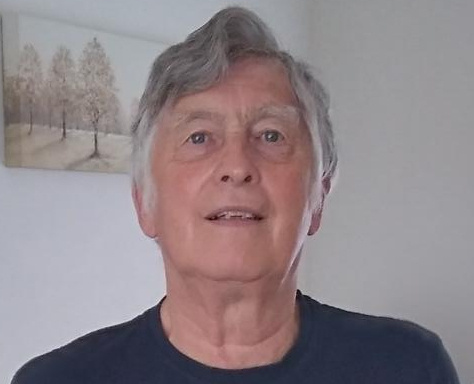
How important was humour in the job? And, therefore, in the book?
Humour is crucial. Often black humour. If you note, a number of my ex-colleagues who have reviewed the book mention the importance of humour. It helps calm situations. Both staff and prisoners appreciate it. It can help normalise situations – potentially tense situations. Of course, if you use it, you’ve got to be able to take it, too.
What are the challenges, as you see them, for graduate management staff in prisons?
Credibility, possibly, at least at the beginning of their career. This was definitely a feature of my earlier years, where those in the junior governor ranks were seen as nobodies. The junior governors were usually attached to a wing with a PO, and the staff tended to look towards the PO for guidance. The department took steps to address this with the introduction of the accelerated promotion scheme, which saw graduate entrants spending time on the landing in junior uniform ranks before being fast-tracked to PO. They would be really tested in that rank.
There will always be criticism of management by uniform staff – it goes with the territory. A small minority of graduate staff failed to make sufficient progress at this stage and remained in the uniform ranks. This tended to cement the system’s credibility in the eyes of uniform staff.
Were there any other differences between graduate governors and governors who had come through the ranks?
The accelerated promotion grades tended to have a clearer career path and were closely mentored by a governor grade at HQ and by governing governors at their home establishments and had regular training. However, I lost count of the number of phone calls I received from people who were struggling with being newly promoted from the ranks to the governor grades. They often felt that they hadn’t been properly trained for their new role, particularly in relation to paperwork, which is a staple of governor grade jobs.
From the point of view of the early 21stC, what were the main differences between prisons in the public and private sectors?
There’s little difference now between public and private sector prisons. Initially, the public sector had a massive advantage in terms of the experience of staff across the ranks. Now, retention of staff seems to be a problem in both sectors. The conditions of service were better in the public sector in my time, but this advantage has been eroded. Wages are similar, retirement age is similar. The retirement age has risen substantially since I finished.
In my experience, private sector managers were better at managing budgets. As regards staff, basic grade staff in both sectors were equally keen and willing to learn. All that staff in either sector really needed was purpose, a coherent vision and support.
A couple of times towards the end of your book, you hint at the idea that your time might have passed. Does your approach belong to a particular historical moment?
I felt that all careers have to come to an end at some point and I could see that increasing administrative control would deprive my work of some of its pleasures. It was time to go before bitterness set in. Having said that, when I came back, I still found that the same old-fashioned skills were needed to deal with what I had been contracted to do. So, maybe I was a bit premature.
My approaches and methods were developed historically, over the entire period of my forty-year career. Everywhere I went, I tried to refine the basics that I had learned on that initial training course.
Thank you to John O’Brien for enabling Phil to share his experiences.

~

HMP Berwyn: Does it raise more questions than it answers?
A bright summer’s day. A short car journey, a train, 2 tubes, 2 more trains and I finally arrived after more than 5 hours of travelling, into Wrexham. I’ve come to HMP Berwyn. I’m here with an open mind and at the invitation of the No 1 Governor, Russell Trent.
HMP Berwyn is not very well signposted, it’s as if the locality is reluctant to admit such a place exists in their own backyard. On the way here, I asked some locals for their opinion on the prison, its location and its size given that it is not yet at full capacity. Many local people were hesitant in speaking about it. Others were really bemused when I said I was on my way there to meet the Governor.
“Well, they need to build a bigger car park”, one local said.
On arrival, from the outside, it resembles a business park not a prison.

Entering through large open doors I was greeted by a uniformed officer with a friendly face who showed me the lockers for my bag and phone, and the door to enter the prison. But it was the wrong door. I wasn’t asked why I was there or even who I was. I was sent back outside to another door, this time I approached a glass window and said I was here to see Russell Trent. Simple.
Unfortunately, the officer there had no record of my visit. Great start. I was then asked to put my driving licence onto the window, so they could read my name. Bingo, the glass screens opened, and I was inside.
I fully expected to be patted down. I wasn’t. I expected an officer to pass a wand over me. They didn’t. This surprised me.
The site is huge. I was immediately impressed by the overall cleanliness, both inside and out, the wide-open spaces between communities and grass, yes real grass, and flower beds. There was even a small area where they hold services of remembrance.
Berwyn Values
V = value each other and celebrate achievements
A = act with integrity and always speak the truth
L = look to the future with ambition and hope
U = uphold fairness and justice in all we do
E = embrace Welsh language and culture
S = stick at it
Sitting on a comfortable sofa opposite Number 1 Governor Russell Trent in his office, he pointed out the motivational quote on the wall.
“When a flower doesn’t bloom you fix the environment in which it grows not the flower”
But motivational quotes are everywhere throughout the prison, on stairwells, in corridors alongside photos of Wales. Another one that caught my eye was:
“You have got to be the change you want to see”
The Governor handed me a small pack of cards; each card represents a different Berwyn practice for each day of the month.
Day 1. We recognise achievements and celebrate successes #thankyou
Day 2. We actively listen to each other and make eye contact #respect
Day 3. We offer and ask for help and feedback #support
You get the idea.
This is a first, I have never brought anything out of a prison that I haven’t taken in and I have never seen such motivational material in quite the same way in any other prison I have visited. And I’ve been to every category of prison, more than once.
Having the opportunity to accompany Governor Trent as he did his rounds meant we could talk as we toured communities, healthcare, college, library, horticulture, accommodation, etc.
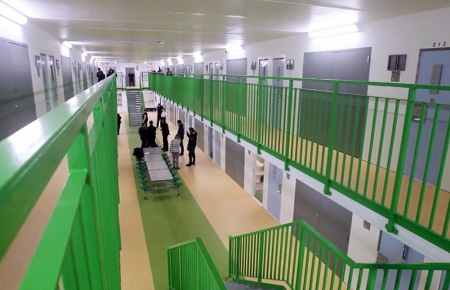 I watched as well as listened, as I always do, with my notebook at the ready for contemporaneous note taking. Governor Trent appears to be on the ball, knowing the names of the men and their sentence. Many politely came up to him with a query or problem they wanted resolving. If he didn’t have the answer, then he signposted or agreed to meet them later. I did find it odd when he was called “Russ” and even “Trenty”. I thought that was a bit over-familiar considering the whole ethos was of respect. Something didn’t quite add up.
In various conversations, the name of a certain community came up more than once and so did the name of a member of staff. It appeared some men felt fobbed off by this individual. I chose not to probe this but preferred to watch how it was dealt with.
I was introduced to the prosocial model of behaviour, a rehabilitative culture, making big feel small, the principle of normality and much more. Yes, Governor Trent is driven and considering over 90% of frontline staff have never worked in a prison before he has to sell his regime not only to the men but to the staff also.
The Ministry of Justice is very good at musical chairs, moving leaders around the prison service. It makes me wonder how long Governor Trent will remain at Berwyn.
Can Berwyn culture function without him and will the vision live on without his oversight?
Or will the settling cracks be more prominent or permanent?
In March 2018 there was a Death in Custody at Berwyn. The Prison and Probation Ombudsman (PPO) is still investigating and this death is unclassified as the cause is not yet known. I will not jump to any conclusions.
What I can say is during my visit I neither saw nor heard nor smelled any signs of drug abuse or spice.
Health and Wellbeing
Page 12 of ‘Rehabilitative Culture at Berwyn‘ states that “promotion of health and wellbeing is the responsibility of all whether they are living or working at Berwyn”. I think that collective ownership like this is a good thing because it means that the sole responsibility is not just carried on the shoulders of the healthcare team. The reason why this is good is because it replicates what goes on in the wider society.
I saw team sports in action, outdoor gym equipment and the outdoor running track. One initiative that caught my interest was the ‘Governor’s Running Club’. Men were proudly wearing their t-shirts which they were entitled to have once they had attended 5 successive weeks. Governor Trent emphasised to me that it was more about the commitment than the fitness.
Whilst all this looks favourable, one question I still have is the level of staff sickness at Berwyn. In ‘Annual HM Prison and Probation Service digest: 2017 to 2018, Chapter 15 tables – Staff sickness absence’ for the period 1st April 2017 to 31st March 2018 there were 3,628 working days lost (see Table 15.1, Column U, Row 18). It raises a concern as to why this is, given that Berwyn is not at full capacity and new communities are only opened once sufficient staff are in place.
Purposeful Activity
It’s all very well having unlock at 08:15 and lockup at 19:15 but if the industries, education, workshops, purposeful activities are not there then what?
And what do we mean by purposeful activity?
I saw one of the workshops, sewing prison regulation towels. A monotonous task, processing the same off-white coloured towelling. I’ve seen the same activity in other prisons such as HMP Norwich. Why is this happening in Berwyn? If sewing is to be one of the “purposeful activities” then surely this could be expanded to sewing something less bland and uninteresting using acquired skills that may be genuinely useful on release. For example, Fine Cell Work showcases how this is possible both inside and after release with their post-prison programme.
In another workshop I saw, I felt I was looking at something more purposeful; it was a call centre, provided by Census Group, run by a woman who was keen to praise the men in her group. I could see how skills learned here could translate into meaningful employment on the outside as well as provide interest, variation and a challenge for those participating in this activity.
I briefly stepped into the College building housing the prison library. If it wasn’t for the jangling of keys you could have been in any educational institution.
Accommodation
Whereas I had expected the heat, because my visit was in August, I had not expected the temperature levels inside on the landings of the communities and in the rooms I visited. It must have been at least 30 degrees.
I had heard a lot about the rooms here and saw many photos. However, you need to walk in one to fully understand the scale. For the rooms which are single occupancy they are compact, but I’ve seen smaller. A raised bed, with storage underneath, a desk with monitor, a plastic moulded chair. It has a shower/toilet/wash basin in the corner with a short curtain acting as a screen. And a small safe for locking away any medical supplies and that’s your lot.
Unfortunately, with only 30% of the rooms in Berwyn built for single occupancy the majority of the men have to double up.

In the double-occupancy rooms, it is the same layout for two but only slightly wider and another small bed with storage underneath. To share a room with someone you have never met and to have so little privacy going to the toilet or having a shower is entirely unacceptable for a new build prison in the 21st Century.
Here is where I have a problem with Berwyn as a model for Titan prisons.
According to ‘The Report of the Zahid Mubarek Inquiry’ published in June 2006, (download the PDF here) there were three main recommendations concerning enforced cell-sharing:
- The elimination of enforced cell-sharing should remain the objective of the Prison Service, and the achievement of this goal should be regarded as a high priority.
- The Prison Service should review whether the resources currently available to it might be better deployed towards achieving this goal, without compromising standards in other areas, and should set a date for realising this objective.
- If the resources currently available to the Prison Service are insufficient to produce a significant decrease in enforced cell-sharing, central government should allocate further funds to the Prison Service to enable more prisoners to be accommodated in cells on their own.
I’m sure I’m not the only one to be astonished that after 12 years these recommendations were not incorporated into the planning of Berwyn. They were made long before the architects’ drawings were prepared and before any ground works were dug.
How can the concept of a Titan prison be a showcase, a flagship, when recommendations such as these are willfully overlooked? Was it in pursuit of lower unit cost per prisoner?
Economies of scale
If it is such a flagship of the Ministry of Justice, a social experiment, a regime extraordinaire, or whatever you wish to call it, why hasn’t the Secretary of State for Justice or the Prisons Minister visited? I will urge them to come and see Berwyn for themselves.
I already have my doubts that Berwyn will ever reach its full capacity so in that case what is stopping it from turning all double rooms into single occupancy?
It has been built to 70% double, 30% single rooms, like a Walmart of the Prison Service, pack them high, sell them cheap
During my visit I was informed that the cost per head was £14,000. Afterwards, I contacted Berwyn to confirm and was told £13,500 per head. Compare this to the average annual overall cost of a prison place in England and Wales at £38,042 in 2017, according to Ministry of Justice report on ‘Costs per prison place and cost per prisoner by individual’, £35,182 in 2016 (download the 2017 PDF here and the 2016 PDF here). See: Table 2a, Summary Comparison
I wouldn’t be surprised if the figure was more like £11,000 – £12,000 per head at Berwyn, its “economies of scale” achieved by factors such as low salaries of frontline staff in their first year of service being the predominant workforce here.
The Berwyn Way
All the men arriving into HMP Berwyn are given Enhanced IEP status. The idea behind this is that the men then have to take some personal ownership to maintain that level. In other words, it leaves no room for incentives to improve status but only punishment if you don’t make the grade. In my opinion, it makes a nonsense of the IEP system and is inconsistent with many of the sending prisons of which there are 65. Is this demotivating those who have worked hard to achieve Enhanced elsewhere?
I remember when the last changes with IEP came into effect with Chris Grayling. Working in a prison where most of the men were on Enhanced yet half of them did not fulfil the new criteria to be on Enhanced. This brought about a two-tier system when people were transferred into the prison as they had to adhere to the new rules. This issue alone can have a big impact on the culture and effective daily operations inside a prison. I feel the same pitfall maybe true of Berwyn, albeit inadvertent.
I noted later that in the document ‘The Berwyn Way’ 3. Strategic priorities, Rehabilitative culture.
3.8 An important part of the realisation of Berwyn’s rehabilitative culture will be changing behaviour by reward, not punishment and everyone will work hard to uphold this ambition.
How can this be so when the IEP system is used not to reward, but to punish?
There is a clear disconnect here.
Respect: to get it you must give it
I noted that on one occasion entering a community, staff immediately stood up as we entered. My immediate thoughts, was this just a mark of respect or fear of reprisal later?
I rather hope it is the former rather than the latter.
But I have been in enough SMT meetings in other prisons, where Governing Governors have mouthed off over even a trivial matter, to know how that could have been out of fear.
I shook hands with many members of staff and the men housed there. Some men apologised for their language even though it wasn’t aimed at me. This showed self-awareness which is a vital characteristic in life as well as in living in a prison.
I came away with a brochure about the rehabilitative culture at Berwyn, a document on ‘The Berwyn Way’, a desk top flip chart and pack of cards of the Berwyn Values.
Summary
I’m commenting on a regime, I’m not criticising any individual. I’m evaluating and analysing what the consequences might look like for Berwyn based on what I have personally seen and heard.
The model of single-occupancy rooms is not a luxury, it’s a necessity.
It is time HMPPS stops putting profit before people.
Positive reinforcement of behaviour works much better than penalties.
In my opinion I would have to say, on the balance of probability, there should never be another prison built on the scale of Berwyn.
Featured photo courtesy of Inside Time which tweets as @InsideTimeUK
On-page photos courtesy of North Wales Daily Post which tweets as @dailypostwales
This visit to HMP Berwyn took place on Thursday 2nd August 2018.
My time and expenses were entirely self-funded.
~

